



Head of practice
Head of Corporate Law and Fintech Practice. Expert in the creation and reorganization of companies, support of M&A transactions, as well as legal support for opening and running a business in the EU, Asia, and North America.

CRYPTOCURRENCY CALCULATION IN AUSTRIA
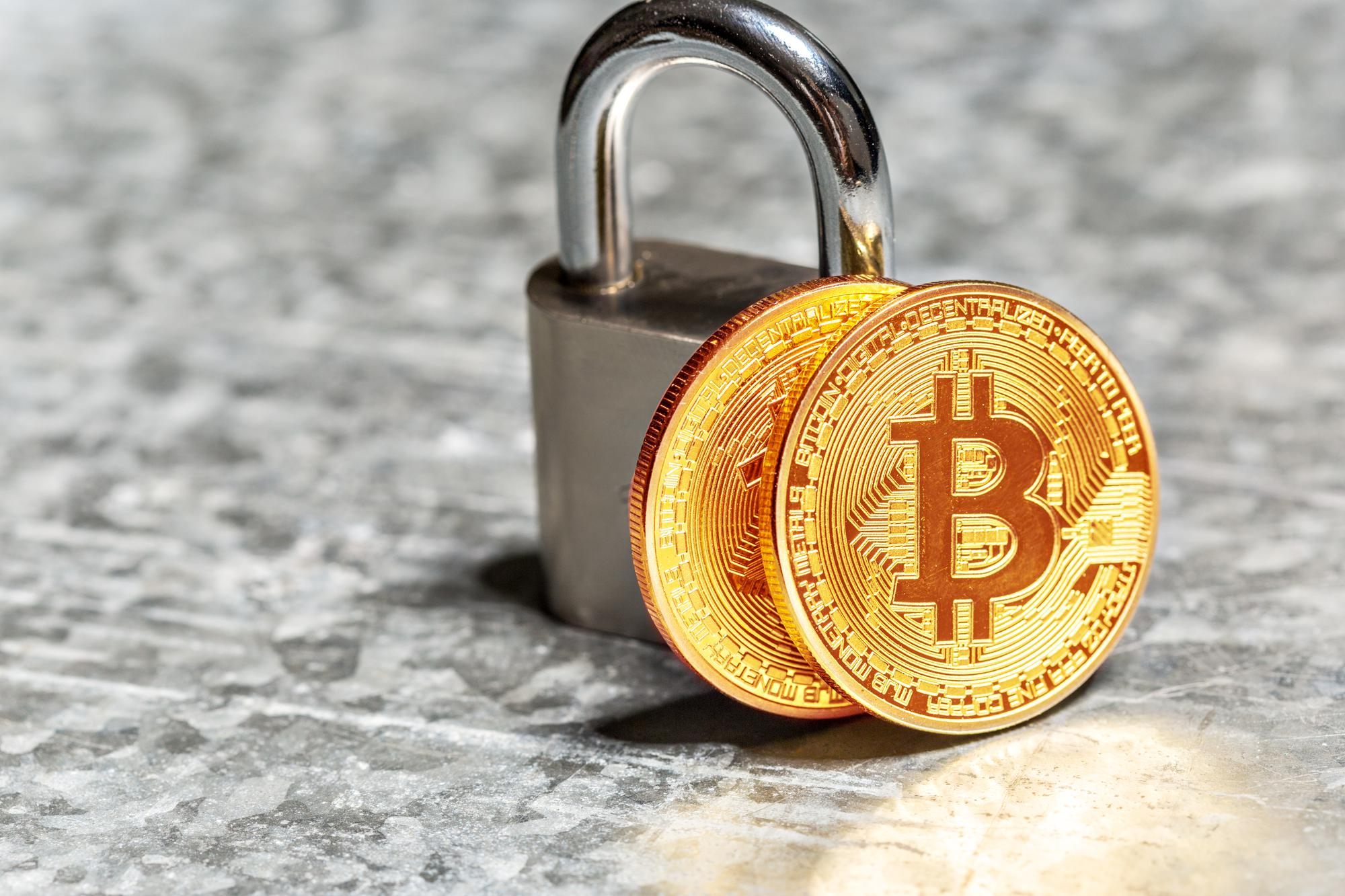
Cryptocurrencies such as Bitcoin (BTC), Ethereum (ETH) and stablecoins, including USDT, are rapidly gaining popularity around the world, including Austria.
This country, known for its progressive approach to technology and innovation, holds a special place in the European cryptocurrency landscape.
The law firm “Prikhodko & Partners” offers a detailed overview of the legal regulation of cryptocurrency payments in Austria, as well as practical advice for businesses and individuals planning to use digital assets for transactions.

Legal status of cryptocurrencies in Austria
Austria does not have separate legislation that exclusively regulates cryptocurrencies, but their use is subject to general financial and tax law.
According to the position of the Austrian Financial Supervisory Authority (FMA), cryptocurrencies are not considered an official means of payment, such as the euro, but are classified as “digital assets” or “virtual currencies.”
They are treated as a commodity or investment asset, which affects their taxation and use in commercial transactions.
Since 2020, Austria has implemented the provisions of the EU’s Fifth Anti-Money Laundering Directive (AMLD5), which sets requirements for cryptocurrency exchanges, exchangers, and other service providers related to digital assets.
All entities providing services for exchanging cryptocurrencies for fiat money or vice versa, as well as storing crypto assets for clients, must be registered with the FMA and comply with strict KYC (Know Your Customer) and AML (Anti-Money Laundering) regulations.
Cryptocurrency payments: opportunities and limitations
In Austria, cryptocurrencies are actively used for payments both online and offline. For example, in Vienna, which is one of the centers of technological innovation, a number of establishments such as cafes, restaurants and shops accept payment in Bitcoin and other cryptocurrencies.
The most common way is to use payment gateways such as BitPay, CoinPayments or the Austrian platform Salamantex, which allow businesses to receive payment in cryptocurrency with automatic conversion to euros.
Advantages of using cryptocurrencies for payments:
- Transaction speed: Cryptocurrency transfers, especially on low-fee networks like TRC-20 for USDT, allow for instant transactions without intermediaries.
- Low commissions: Compared to traditional bank transfers, cryptocurrency transaction fees are often lower, especially for international payments.
- Global availability: Cryptocurrencies allow for payments without being tied to national currency restrictions.
- Anonymity: Although complete anonymity is not possible due to AML/KYC requirements, cryptocurrencies provide a higher level of privacy compared to bank cards.
Limitation:
- Volatility: Cryptocurrency rates can fluctuate significantly, which creates risks for sellers who do not use automatic conversion.
- Legal uncertainty: Since cryptocurrency is not recognized as an official means of payment, contracts concluded with payment in cryptocurrency can be challenged in court.
- Tax obligations: All cryptocurrency transactions are subject to taxation, which requires careful accounting.
Tax aspects
Taxation of cryptocurrencies in Austria regulated according to their classification as investment assets. Since March 1, 2022, the country has a special tax regime for cryptocurrencies, which simplifies the accounting of income from transactions with digital assets.
- Individuals: Income from the sale of cryptocurrencies is taxed as capital gains at a rate of 27.5% if the asset is held for less than a year. If the cryptocurrency is held for more than a year, the income is exempt from capital gains tax.
- Legal entities: Companies that earn income from cryptocurrencies pay a corporate tax rate of 25%. If cryptocurrency is used for payments, the business is required to record transactions in euros for tax purposes.
- VAT: Transactions involving the exchange of cryptocurrencies for fiat money are exempt from VAT according to the European Court of Justice ruling (Hedqvist case, 2015). However, if the cryptocurrency is used to pay for goods or services, the seller may be required to charge VAT.
To avoid penalties, it is recommended to keep detailed records of all cryptocurrency transactions, including the date, amount, type of cryptocurrency, and its equivalent in euros at the time of the transaction.
Practical recommendations for business
The law firm “Prikhodko & Partners” offers the following recommendations for companies planning to integrate cryptocurrency payments in Austria:
- Registration with FMA: If your business provides services related to cryptocurrencies (exchange, storage, payment gateways), you must obtain a license or register with the FMA.
- Using payment gateways: Integration of payment systems, such as Salamantex, allows you to automate the process of accepting cryptocurrencies and converting them into euros, minimizing currency risks.
- Legal structure of contracts: For payment with cryptocurrency, it is recommended to conclude barter contracts (Bartervertrag), rather than purchase and sale contracts, as this reduces the risk of the transaction being declared invalid due to the non-recognition of cryptocurrency as a means of payment.
- Tax accounting: Work with professional accountants who specialize in cryptocurrencies to properly process transactions and submit reports.
- AML/KYC Compliance: Implement customer identification and transaction monitoring procedures to comply with AMLD5 requirements.
Recommendations for individuals
For individuals who use cryptocurrencies for payments, it is important to:
- Use reliable crypto wallets and exchanges registered in Austria or other EU countries.
- Keep records of all transactions for tax filing.
- Avoid mistakes when transferring cryptocurrency, as a refund in the event of an incorrect wallet address is practically impossible.

Conclusions
Austria is one of the most cryptocurrency-friendly countries in Europe thanks to its progressive regulatory approach and innovative ecosystem.
Cryptocurrency payments are becoming increasingly popular in Austria, but require careful compliance with legal and tax regulations.
The law firm “Prikhodko & Partners” is ready to provide comprehensive support to both businesses and individuals in matters of integrating cryptocurrency payments, drafting contracts, and complying with regulatory requirements.
Contact our experts to ensure the security and legality of your cryptocurrency transactions in Austria.
Calculate the cost of services
1 question
Are you currently in Ukraine?
2 question
Are you currently in Austria?
3 question
Do you have funds in cash in Ukraine?
4 question
Do you have funds in cash in Austria?
5 question
Do you have funds in bank accounts in Ukraine?
6 question
Do you have funds in bank accounts in Austria?
7 question
Do you have funds in cryptocurrency in Ukraine?
8 question
Do you have funds in cryptocurrency in Austria?
9 question
Do you need a crypto exchange in Austria?
10 question
Do you need an urgent consultation?




You may also need:
Company Registration in Austria
Read more

Brand name registration
Read more
REGISTRATION OF A BUSINESS (FIRM) IN THE CZECH REPUBLIC
Read more

BANK REGISTRATION IN CYPRUS
Read more
Opening a crypto-friendly account
Read more
OPENING A BANK ACCOUNT IN ESTONIA
Read more

Opening an account in a foreign bank
Read more
Company Registration in the UAE
Read more
OPENING A BANK ACCOUNT IN AUSTRIA
Read more
Opening a bank account in the United Kingdom
Read more
OPENING A BANK ACCOUNT FOR A GAMBLING BUSINESS
Read more
REGISTRATION OF A BUSINESS IN THE UK
Read morecall back
during the day

 Telegram
 Viber
Viber
 WhatsApp

 Facebook
 Instagram