



Head of practice
Head of Corporate Law and Fintech Practice. Expert in the creation and reorganization of companies, support of M&A transactions, as well as legal support for opening and running a business in the EU, Asia, and North America.

Opening a merchant account for high-risk business
For companies that accept online payments, a merchant account for high-risk business is a critically important element of the business infrastructure. It is through this account that the processing of customer payments via bank cards, digital wallets, and other payment instruments takes place.
While connecting acquiring for a regular e-commerce business is often a standard procedure, for high-risk sectors, the situation looks completely different. Banks, payment systems, and acquiring providers carefully check such projects, evaluating not only the legal structure of the company but also the risks of payment returns (chargebacks), AML control, the sales model, and the jurisdiction of activity.
That is why opening a merchant account for a high-risk business requires professional preparation and the right choice of a payment partner.
What business is considered high-risk
Different banks and payment systems may have different criteria, but there are categories of business that almost always fall into the high-risk group.
These include:
- iGaming and betting projects;
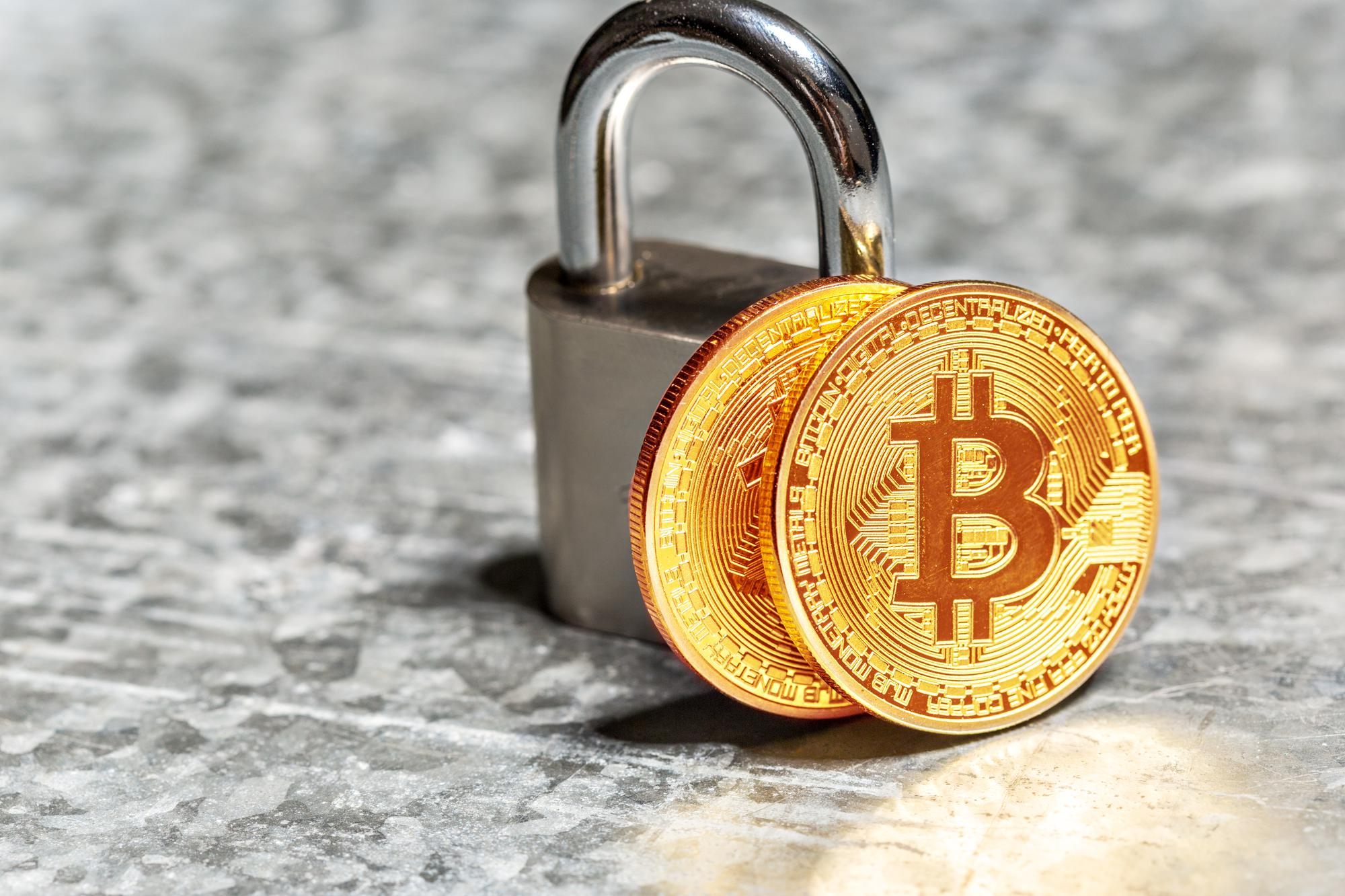
- cryptocurrency business;
- Forex and CFD platforms;
- fintech and payment services;
- nutraceuticals and food supplements;
- affiliate marketing;
- travel projects;
- subscription businesses;
- dating platforms.
The main reason for this approach is the increased number of payment returns, regulatory risks, and the need for enhanced control over financial flows.
For many companies, finding a merchant provider becomes a more difficult task than registering a business or opening a corporate account.

What an acquiring provider checks
A merchant account essentially means access to the international payment infrastructure of Visa and Mastercard. Therefore, a financial institution must assess all potential risks even before starting cooperation.
During the check, special attention is paid to:
- the company’s ownership structure;
- the website and terms of use;
- the business model;
- projected turnover;
- customer geography;
- AML and KYC procedures;
- the refund policy.
Especially important are the Terms & Conditions, Privacy Policy, Refund Policy, and other documents that directly affect risk assessment by the payment system.
It is because of flaws in documentation that many companies receive refusals even with a completely legal business.
| Type of business | Risk level | Main check factor |
|---|---|---|
| SaaS Subscription | Medium | Chargeback Ratio |
| Crypto | High | AML and source of funds |
| iGaming | Very high | License and regulatory status |
| Forex | Very high | Regulation and customer base |
Why companies get rejected for a merchant account
Most often, the problem lies not in the business, but in incorrect preparation for onboarding.
Among the most common reasons for refusals are:
- high projected level of chargebacks;
- lack of necessary legal documentation on the website;
- insufficient information about the business model;
- absence of AML policies;
- discrepancy between the company’s activity and the declared MCC code.
A separate problem is the use of nominee structures or non-transparent ownership schemes. For most acquiring providers, this automatically creates additional risks and can lead to a negative decision.
Therefore, preparation for opening a merchant account should begin long before submitting an application.
How “Prikhodko & Partners” helps to open a merchant account
The “Prikhodko & Partners” team provides support for connecting merchant solutions for international business, including companies with a high level of risk.
Before starting work, we analyze the client’s business model, regulatory status, company jurisdiction, and the requirements of potential acquiring partners. This allows avoiding submitting applications to providers who a priori do not work with the corresponding business category.
“Prikhodko & Partners” specialists help to prepare a package of documents for onboarding, including the company’s corporate profile, AML/KYC documentation, legal documents for the website, and internal policies that are often required by payment systems.
We have particular expertise in supporting fintech, crypto, iGaming, and other high-risk projects that face the most complex requirements from the payment infrastructure. Our task is not only to get approval for a merchant account but also to ensure the stable operation of the payment solution without the risk of future blockings or termination of relations with the provider.
Thanks to a combination of experience in the field of international corporate law, fintech regulation, and AML compliance, we help clients build long-term and stable payment solutions for international business development.
Does your business belong to the high-risk category, and do you face difficulties in connecting payment systems? The lawyers of “Prikhodko & Partners” will prepare your company for onboarding, develop the necessary policies, and help reliably open a merchant account.
Calculate the cost of services
1 question
Do you need to accept online payments on your website?
2 question
Have you already faced refusals from banks or payment systems?
3 question
Does your business belong to the high-risk category (crypto, iGaming, fintech)?
Is it possible to get a merchant account for a cryptocurrency business?
Yes. However, to do this, it is necessary to correctly select an acquiring provider and prepare an extended package of AML/KYC documents.
How long does it take to open a merchant account?
Depending on the business category and the complexity of the verification, the procedure can take from a few days to several weeks.
Why might a merchant account be closed after connection?
Most often, this happens due to a high level of chargebacks, violation of payment system rules, a change in the business model, or the identification of additional compliance risks during the monitoring of the company’s activities.




You may also need:

Opening an account in a foreign bank
Read more

Opening a crypto-friendly account
Read more

Brand name registration
Read more
REGISTRATION OF A BUSINESS IN THE UK
Read more
OPENING A BANK ACCOUNT IN ESTONIA
Read more
OPENING A BANK ACCOUNT IN AUSTRIA
Read more
Company Registration in the UAE
Read more
Company Registration in Austria
Read more
BANK REGISTRATION IN CYPRUS
Read more
OPENING A BANK ACCOUNT FOR A GAMBLING BUSINESS
Read more
REGISTRATION OF A BUSINESS (FIRM) IN THE CZECH REPUBLIC
Read more
REGISTRATION OF A BUSINESS (FIRM) IN POLAND
Read morecall back
during the day

 Telegram
 Viber
Viber
 WhatsApp

 Facebook
 Instagram