Trademark Registration in the United States
A Ukrainian trademark registration by itself does not create automatic federal protection for a brand in the United States. To protect a sign in the U.S. market, it is necessary to use the appropriate USPTO registration mechanism or another available international basis. Registration is especially relevant if:
- you plan to sell goods in the United States;
- you provide services to U.S. customers;
- you are entering marketplaces or e-commerce platforms;
- you plan to scale your brand in the U.S. market;
- there is a risk of your name or logo being copied;
- you need to secure rights to the brand before advertising, franchising, or attracting investment;
- the brand is already being used in the United States and requires federal protection.
For a business, this may mean:
- the ability to secure exclusive rights to the sign for the claimed goods and services;
- a stronger position in disputes with competitors;
- additional brand protection on online platforms;
- the ability to license or transfer rights;
- an increase in the value of the company’s intangible assets;
- safer business expansion in the United States.
At the same time, registration does not create an absolute monopoly over every possible use of an individual word. The scope of protection depends on the sign itself, the claimed goods and services, and other circumstances.
Before filing an application with the USPTO, it is important to check not only the name or logo itself, but also the filing basis and the goods and services for which protection is required.
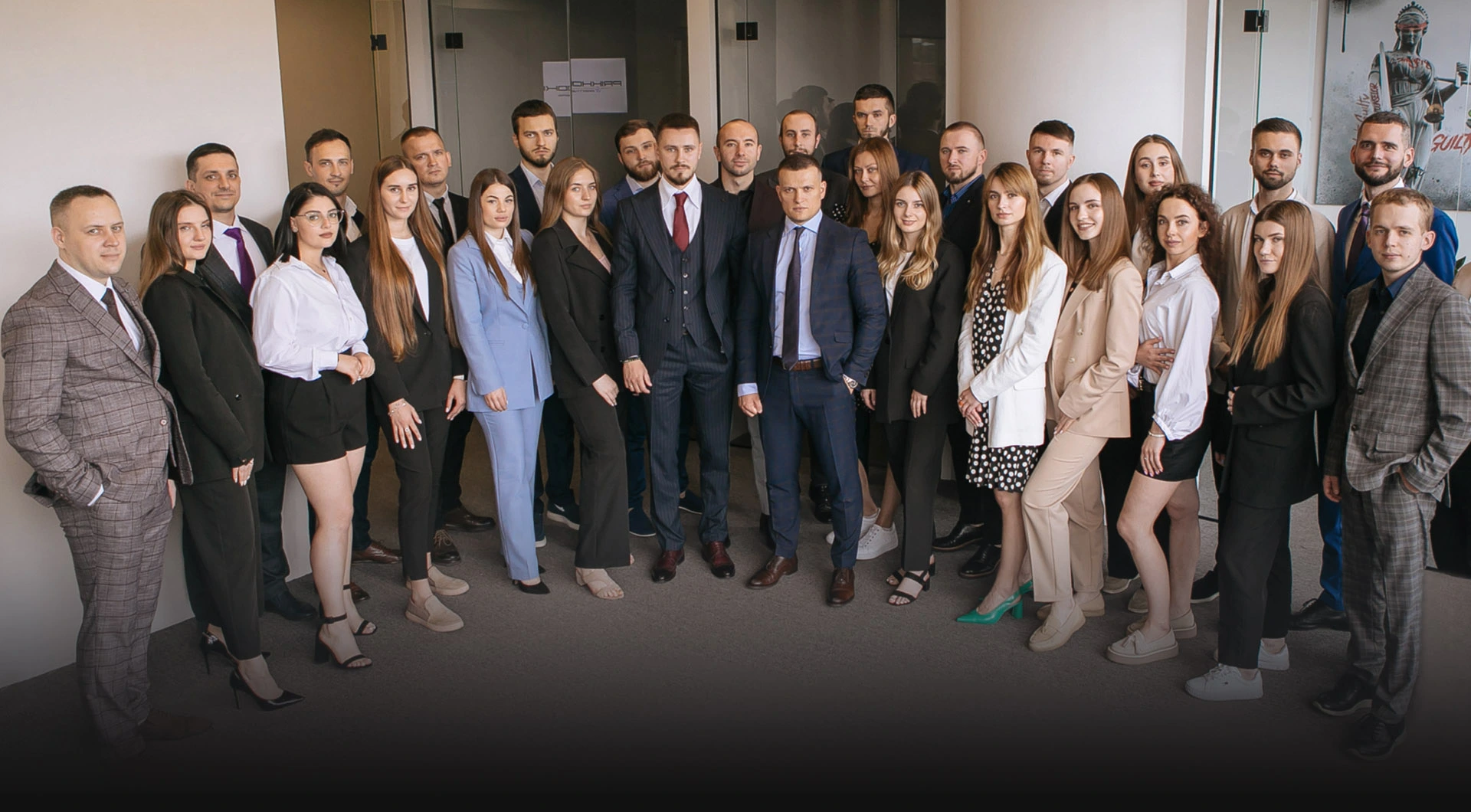
Benefits of Working with Prikhodko & Partners
We help:
- conduct a preliminary trademark search before filing with the USPTO;
- assess similarity risks with previously registered marks;
- determine the classes of goods and services;
- select the filing basis based on the actual circumstances;
- prepare the USPTO application;
- review and prepare the specimen;
- support an intent-to-use application;
- prepare a response to an Office Action if issues arise;
- support the application through registration.
USPTO states that after publication there is a 30-day period during which an interested party may file an opposition or request an extension of time to file one. ([USPTO](https://www.uspto.gov/trademarks/basics/approval-publication?utm_source=chatgpt.com “Approval for publication | USPTO”))
Use in Commerce for U.S. Trademark Registration
Use in commerce applies when the trademark is already actually being used in connection with the claimed goods or services in commerce that meets the requirements of U.S. law. In such a case, the applicant must provide information about use and an acceptable specimen for the relevant goods or services. It is important to check:
- when actual use of the mark began;
- which specific goods or services the mark is used for;
- whether the use meets USPTO requirements;
- which specimen can be submitted;
- whether the actual use corresponds to the list in the application.
Intent to Use — Filing Before the Brand Is Used
Intent to use under Section 1(b) allows an application to be filed before actual use of the brand begins if the applicant has a bona fide intention to use it in commerce. USPTO expressly allows filing on an intent-to-use basis before use of the mark begins. However, before registration, the applicant must confirm actual use and submit the appropriate Allegation of Use. ([USPTO](https://www.uspto.gov/trademarks/apply/intent-use-itu-applications?utm_source=chatgpt.com “Trademark applications – intent-to-use (ITU) basis | USPTO”)) This option may be relevant if:
- the business is only preparing to enter the U.S. market;
- the product is still at the launch stage;
- the brand has already been developed but sales have not yet started;
- it is necessary to secure filing priority in advance;
- the launch is planned after registration or infrastructure preparation.
Specimen for a U.S. Trademark
The form of evidence depends on the nature of the business. For goods, depending on the circumstances, it may include:
- a photograph of the product bearing the trademark;
- packaging or a label;
- an online store page with the ability to purchase the product;
- other materials demonstrating use of the sign in connection with the specific goods.
For services, materials may be used that demonstrate the use of the brand directly in offering or providing the relevant services. For example, these may include:
- website pages describing the services;
- advertising materials;
- materials showing the provision of services under the relevant brand;
- other acceptable evidence of use.
An incorrect specimen may result in an additional USPTO request, so it is advisable to review it before filing.
USPTO Office Action
If the examining attorney identifies legal or formal issues, the applicant may receive an Office Action. Possible reasons include:
- similarity to a previously registered trademark;
- descriptive nature of the sign;
- lack of distinctiveness;
- errors in the identification of goods and services;
- an unacceptable specimen;
- an incorrect filing basis;
- the need to clarify applicant information;
- other legal or formal USPTO objections.
An Office Action does not always mean a final refusal. In many situations, the applicant may provide a reasoned response, make permitted amendments, or comply with the examining attorney’s requirements.
Receiving an Office Action does not automatically mean the application is lost. It is important to analyze the USPTO objections in time and determine the correct response strategy.
Publication and Opposition Period
After publication in the Trademark Official Gazette, a 30-day opposition period begins. A person who believes that registration may cause harm may initiate the relevant proceeding before the Trademark Trial and Appeal Board. ([USPTO](https://www.uspto.gov/trademarks/basics/approval-publication?utm_source=chatgpt.com “Approval for publication | USPTO”)) If no opposition is filed, or if it is resolved in favor of the applicant, the application proceeds to the next stage. If the application was based on use in commerce and all requirements have been satisfied, the trademark may proceed to registration after the opposition period ends.
Notice of Allowance and Statement of Use
If the application was filed on an intent-to-use basis, registration is not yet complete. USPTO issues a Notice of Allowance. After that, within six months, the applicant must:
- begin acceptable use of the trademark in commerce and file a Statement of Use;
- submit the appropriate specimen;
- pay the required fees;
- or, where permitted, file an acceptable request for an extension of time.
USPTO specifically emphasizes that a Notice of Allowance means that the application has passed the opposition stage, but the trademark is not yet registered. ([USPTO](https://www.uspto.gov/trademarks/basics/trademark-process?utm_source=chatgpt.com “Trademark process | USPTO”))
Trademark Registration in the United States Through the Madrid System
The United States may be designated in an international application under the Madrid Protocol. Such an application reaches the USPTO as a Section 66(a) application and undergoes U.S. examination. It is important to understand that a WIPO international registration by itself does not automatically provide protection in the United States. The USPTO applies its own requirements and may issue an Office Action. The choice between a direct USPTO application and the Madrid System depends on:
- the geographical scope of brand protection;
- the number of countries where registration is required;
- the existence of a basic application or registration;
- the structure of goods and services;
- the business’s long-term plans.
Cost of Trademark Registration in the United States
As of 2026, the USPTO base fee for Section 1 and Section 44 applications is $350 per class where the application meets the base application requirements. For Section 66(a) filings through WIPO, the corresponding U.S. fee is $600 per class. Additional fees may apply depending on the content and complexity of the application. ([USPTO](https://www.uspto.gov/learning-and-resources/fees-and-payment/uspto-fee-schedule?utm_source=chatgpt.com “USPTO fee schedule | USPTO”)) The total budget may be affected by:
- the number of classes of goods and services;
- the filing basis;
- the need for a preliminary search;
- the need to prepare a specimen;
- a response to an Office Action;
- additional USPTO requirements;
- a Statement of Use;
- extension requests for an intent-to-use application;
- legal support for the procedure.
For ITU applications, USPTO expressly provides for additional documents and payments related to confirming actual use before registration. ([USPTO](https://www.uspto.gov/trademarks/trademark-fee-information?utm_source=chatgpt.com “Trademark fee information | USPTO”))
Maintaining a U.S. Trademark Registration
Trademark registration requires ongoing maintenance. USPTO requires certain maintenance documents to be filed and the relevant fees to be paid in order for a federal registration to remain valid. ([USPTO](https://www.uspto.gov/trademarks/basics/trademark-process?utm_source=chatgpt.com “Trademark process | USPTO”)) The owner needs to:
- monitor deadlines for mandatory filings;
- confirm use of the mark when required;
- retain evidence of actual use;
- ensure that owner information remains accurate;
- renew the registration on time;
- respond to possible disputes and infringements.
Common Situations in U.S. Trademark Registration
| Situation |
What Should Be Taken into Account? |
| The brand is already being used in the United States |
It is necessary to assess whether filing on a use-in-commerce basis is available and prepare an acceptable specimen. |
| The brand has not yet launched |
An intent-to-use filing basis may be considered if there is a bona fide intention to use the mark. |
| There are similar trademarks |
The risk of refusal based on likelihood of confusion should be assessed before filing. |
| USPTO issued an Office Action |
The objections must be analyzed and a reasoned response or permitted amendments prepared. |
| A Notice of Allowance has been issued |
For an ITU application, actual use must be confirmed or the relevant deadline must be extended in time. |
| Protection is needed in several countries |
It is advisable to compare a direct USPTO filing with use of the Madrid System. |
| The mark is already registered |
Maintenance filings and continued actual use must be monitored. |
Conclusion
Trademark registration in the United States requires choosing the correct filing basis, identifying the goods and services, conducting a preliminary review of the sign, and preparing evidence of use where necessary. For an intent-to-use application, actual use is confirmed at a later stage. The USPTO independently examines each application and may issue an Office Action, so it is advisable to develop the legal strategy before filing the documents.
Planning to register a trademark in the United States? Submit a request on the Prikhodko & Partners Law Firm website. A lawyer will review the sign, help select the filing basis and classes, and support the application before the USPTO.













 Telegram
 Viber
Viber
 WhatsApp

 Facebook
 Instagram