


Senior lawyer
Lawyer in the practice of bankruptcy of individuals and individual entrepreneurs. Specializes in write-off of bank and MFI loans through the bankruptcy procedure.

Credit debt collection
Late repayment of loan funds is a common problem faced by both banks and borrowers. For lenders, this translates into financial losses and performance deterioration, and for borrowers, it translates into credit history damage, fines, and in some cases, lawsuits and debt enforcement.
Why is it sometimes difficult to collect debt on a loan?
The process of debt collection can be complex and require knowledge of the law, understanding of the intricacies of working with debt collection companies and the court system. Typical difficulties faced by creditors include:
- Unwillingness of the borrower to cooperate: debtors can ignore demands for the return of funds, hide from representatives of the creditor, and not provide the necessary information.
- The complexity of gathering evidence: to confirm the debt and justify its claims, the creditor needs clear and legally prepared documents (credit agreement, payment schedule, payment receipts, etc.).
- Imperfect legislation: the legal framework for debt collection has gaps and ambiguous interpretations, which complicates the process for creditors.
- Length of Litigation: Litigation tends to take a long time, requiring significant costs in court fees and attorney fees.
- Inefficiency of the work of collectors: the activities of collection companies do not always comply with the law and ethical standards, which can
- lead to a violation of the debtor’s rights and a delay in the collection process.

What are the ways to collect debt on a loan?
Depending on the specific situation, the creditor can use one of the following debt collection methods:
- Out-of-court procedure: involves negotiations with the borrower, sending him written demands for debt repayment, debt restructuring (changing the payment schedule, providing preferential terms, etc.).
- Judicial procedure: the creditor applies to the court with a claim for debt collection. Based on the evidence provided, the court issues a decision that is binding on the debtor.
- Enforcement proceedings: after receiving the court’s decision, the creditor applies to the bodies of the enforcement service for its enforcement. This may involve the seizure of the debtor’s accounts, seizure of property, collection of funds from his wages, etc.
Why not do it yourself if you have no legal experience?
Debt collection on your own can be risky and ineffective. Without proper knowledge and experience, you can:
- Make mistakes: draw up documents incorrectly, miss deadlines, choose the wrong tactics of action, which can lead to defeat in court or ineffective debt collection.
- Run into unscrupulous contractors: Collection companies that do not operate within the framework of the law may use illegal methods of debt collection, which may result in violation of your rights and legitimate interests.
- Experiencing emotional stress: The process of debt collection can be difficult and exhausting, which will negatively affect your psycho-emotional state.
Contact our law firm
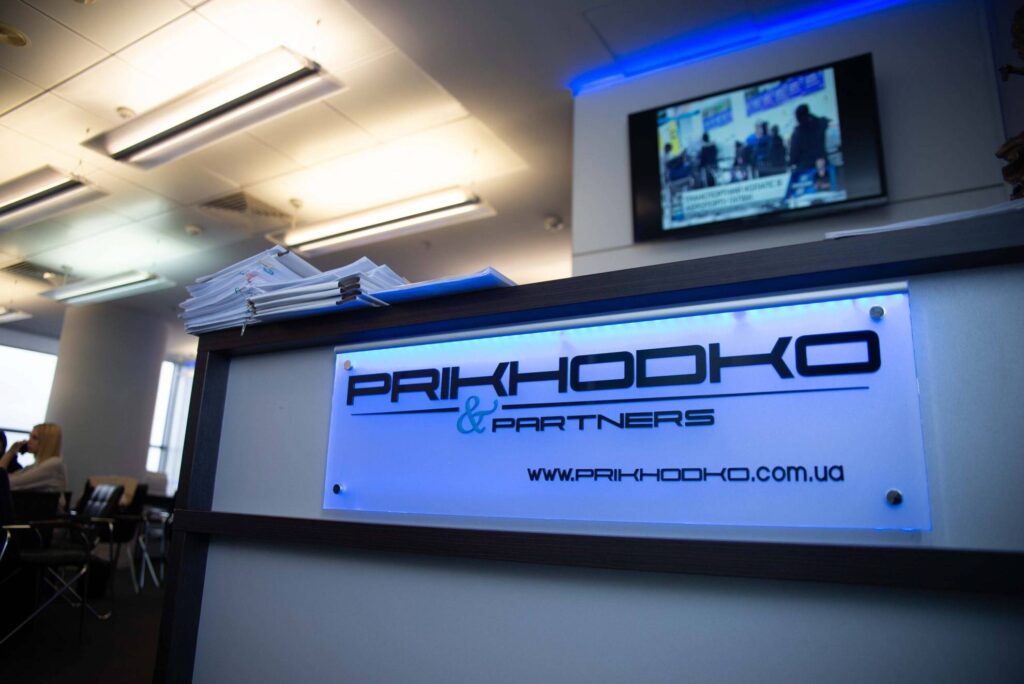
Our law firm “Prykhodko and Partners” has many years of experience in the field of credit debt collection. We offer our clients qualified assistance at all stages of debt collection, namely:
- Consultations: our lawyers will provide detailed explanations of your rights and legal methods of debt collection, assess the prospects for a successful resolution of the issue.
- Pre-trial settlement: the company’s specialists will negotiate with the debtor, prepare the necessary documents (demands for refunds, restructuring agreements, etc.), and try to resolve the issue of debt repayment peacefully.
- Preparation of documents for the court: lawyers will draw up a statement of claim, collect and issue a package of evidence documents that confirm your right and substantiate the requirements to the debtor.
- Representation in court: our lawyers will represent your interests in court hearings, protect your rights, defend your claims for debt collection.
- Support of executive proceedings: after receiving a court decision, lawyers will help you apply to the executive service and monitor the process of forced debt collection from the debtor.
- Legal support at all stages: we will constantly inform you about the progress of the case, provide advice on all issues that will arise during the debt collection process.
We offer a full range of services and an individual approach: to each client. Our services are cost-effective, as they will help you not only to recover funds, but also to avoid unnecessary costs for mistakes during independent debt collection.
If you want to order a consultation or find out the cost of credit debt collection with our help, fill out the form below.
Calculate the cost of services
1 question
Are you interested in debt collection?
2 question
The amount of debt exceeds UAH 180,000?
3 question
Are you in Kyiv?
Is it possible to go through the bankruptcy procedure if the debt is less than 180,000 UAH?
Bankruptcy can be filed regardless of the amount of debt — there are no minimum limits set by law. However, if the amount of debt is less than UAH 180,000, it is usually more advisable to agree on debt restructuring, as bankruptcy may be economically unprofitable.
If I am not in Kyiv, can I cooperate with you?
Yes, we work remotely throughout Ukraine and even with clients abroad! We have many clients from Lviv, Odessa, Dnipro, Kharkiv, Cherkasy and other settlements.
Communication is carried out in any way convenient for you.





You may also need:
Individual Bankruptcy Lawyer
Read more
Legal support of the bankruptcy procedure
Read more
Obtaining a certificate of absence of bankruptcy
Read more

Lawsuit for recognition of a natural person as bankrupt
Read more
Restructuring of foreign currency loan
Read more
Corporate Bankruptcy (Company Bankruptcy)
Read more
Consultation on bankruptcy of an individual
Read more
Liquidation of the company under the bankruptcy procedure
Read more
Credit restructuring in a bank/microfinance organization
Read more
Liquidation of a company through bankruptcy proceedings
Read more
Restructuring of PrivatBank credit card debt
Read more
Bankruptcy certificate for legal entities
Read morecall back
during the day

 Telegram
 Viber
Viber
 WhatsApp


 Facebook
 Instagram