



Head of criminal law practice
Expert in criminal and international law. He also specializes in crimes in the field of military activity and in the financial sector.

Voluntary abandonment of a military unit in martial law
Since the beginning of the full-scale invasion of the Russian troops on the territory of Ukraine, men of mobilization age voluntarily or by summons joined the ranks of the Armed Forces of Ukraine and other military formations. However, not everyone who is at “zero” was able to cope with such factors as difficult physical and moral conditions, strict discipline. That is why such military personnel sometimes choose the path of SZCH. Let’s consider this term in more detail. SZH is the voluntary abandonment of a military unit. In this article, the specialists of our law office Prykhodko and Partners will remind you about responsibility, punishment and the algorithm of actions in case of SZH.
Is there a difference between desertion and NWW?
There are such situations when, being in a difficult situation, a soldier could not return from treatment and arrive at the military unit in a timely manner. And this is just one example. That is why each case requires separate consideration. To begin with, let’s define the difference between desertion and SZH. Although these two terms are related, they are not the same.
Punishment for desertion within the framework of the current legal framework occurs in accordance with Article 408 of the Criminal Code of Ukraine. This crime involves:
- Change of place of service, which was not agreed with the management.
- Non-appearance of a military man at his place of duty.
- Failure to return to service.
The main feature that distinguishes these two concepts is the unlimited term. That is, the purpose of the military is to completely avoid military duties.
As for the SZH, it is also leaving the place of service or a military unit without agreement with the leadership. However, unlike desertion, FRL is treated as a temporary violation. Of course, in some cases, SZH can qualify as desertion. Everything depends on the period of military absence.
What actions do not fall under the category of SZH?
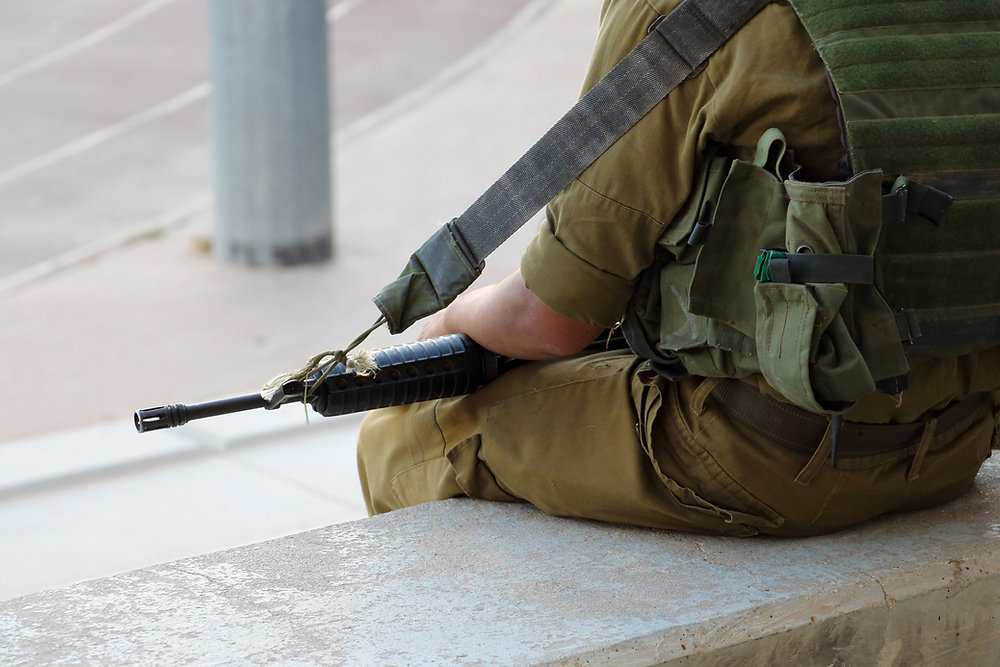
There are cases when leaving a place of service or a military unit is not considered a crime. The following are not covered by SZH: rotation, official business trip/vacation, training, being on medical treatment, the need to comply with the commander’s order. In order to confirm the legalization of his absence, the military man must provide relevant certificates and permits.
Punishment for SZH: are there any changes during martial law?
A crime committed during martial law carries the following punishment: imprisonment for a term of 5 to 10 years (Article 407 of the Criminal Code of Ukraine). Individual cases are, for example, evasion of military duties by harming oneself and faking illnesses. The term of punishment is also up to 10 years.
Algorithm of actions in the case of accusation of SZH
If you have been charged with criminal mischief, the first step you need to take is to enlist the help of professional lawyers. Lawyers Prykhodko and Partners have practical experience in working with similar cases. The first thing we will start with is the collection of the evidence base, which can be used in the future to justify the client. Quite often cases of this category are initiated illegally or erroneously. Our lawyers will be able to prove the facts that will convince the court of the absence of a crime or significantly mitigate the responsibility under Article 407 of the Criminal Code of Ukraine.
We can say the following from experience: professional and active advocacy work is a prerequisite for obtaining the desired result.
Do you still have questions? We are waiting for a preliminary consultation! Fill out the form below to calculate the cost of a lawyer’s services in SZH cases.
Calculate the cost of services
1 question
Did you leave your military unit without permission?
2 question
Do you know that you are accused of leaving a military unit without permission?
3 question
Did you leave your military unit more than a month ago?
How to find out if a person is in the military unit?
Information on the status of a serviceman (staying in the unauthorized abandonment of the unit) can be obtained through the military unit or territorial recruitment and social support centers (military registration and enlistment office). Data may also be in the ERDR if criminal proceedings have been opened under Art. 407 of the Criminal Code of Ukraine. Officially, such information is provided only to relatives or a lawyer upon request. Without an official request, such data is not disclosed, as it belongs to official information. To receive a reliable answer, a request should be submitted in writing.
What is the punishment for unauthorized abandonment of a military unit?
Unauthorized abandonment of a unit or place of service without good reason is punishable by restriction of liberty for up to three years, arrest or imprisonment for up to seven years, depending on the period of absence and circumstances. If this happened during martial law, the punishment is more severe – from five to ten years of imprisonment. The court takes into account not only the duration of the absence, but also the motives, psychological state and consequences of the actions. In case of sincere repentance, a minimum sanction may be imposed.
If a serviceman returned after an unauthorized departure voluntarily - what will happen?
Voluntary return is taken into account as a mitigating circumstance when imposing a sentence. In some cases, if the absence was short-term and did not cause serious consequences, exemption from criminal liability is possible. It is important that the person himself turns to the command or investigator with an explanation of the reasons. Such behavior demonstrates the absence of an intention to evade service. The court evaluates voluntariness as a factor in favor of the suspect.
What reasons can be considered valid when leaving the unit?
Circumstances that objectively made timely return impossible are recognized as valid: illness, natural disaster, transport complications or other irresistible reasons. All of them must be confirmed by documents or testimonies. Without official confirmation, such explanations are not taken into account. The seriousness of the reasons is assessed individually during the pre-trial investigation or trial.
Can a person be held liable if he/she was in voluntary departure from the unit due to injury or treatment?
If there are official medical documents confirming his/her stay in a medical institution, this is not considered voluntary departure from the unit. In this case, the absence is recognized as forced and does not entail criminal liability. Copies of certificates must be submitted to the command or investigator. If the treatment was carried out without proper notification, the fact can be verified through medical records.
Can a person who was in voluntary departure from the place of service return to service?
Yes, if the absence was short-lived, without serious consequences and did not have signs of desertion. In this case, the command may allow him/her to continue service after disciplinary punishment. If criminal proceedings are opened, the issue is resolved by the court or the military prosecutor’s office. Voluntary return has a positive effect on further service.
How can a lawyer help in cases of voluntary departure from the place of service or desertion?
The lawyer assesses all the circumstances of the case, collects evidence in favor of the client, analyzes documents and testimonies. He can help arrange voluntary return, initiate retraining to a milder article or close the case. The lawyer also represents the interests of the serviceman during interrogations, investigative actions and in court. The presence of a professional defense lawyer often affects the outcome of the proceedings.
Can a serviceman be declared wanted for leaving the place of military service?
Yes, if a serviceman is absent for more than three days and his whereabouts are unknown, the command has the right to initiate a search. Data about the person is entered into the Unified State Register of Pre-Trial Investigations and can be transferred to the police or the Special Investigation Service. After establishing the place of stay, investigative actions are carried out. The search continues until the person is found or appears voluntarily.
Does voluntary appearance before an investigator affect the punishment?
Voluntary appearance before an investigator or appearance with a confession is a circumstance that mitigates punishment in accordance with Clause 1, Part 1, Article 66 of the Criminal Code of Ukraine. This indicates the person’s sincere remorse and assistance in solving the crime.
If a person independently appears before law enforcement agencies and reports the crime he committed before he is detained or exposed, the court may take this into account as a basis for imposing a milder punishment — the minimum sanction limit or even release from serving a sentence with probation (conditionally).
In military crimes (in particular, voluntary abandonment of a unit or desertion), voluntary return to a military unit before the moment of detention is also regarded as sincere remorse and can significantly affect the mitigation of responsibility.
You may also need:
Dismissal from military service
Read more
Military lawyer
Read more
How to appeal the decision of the military medical commission?
Read more
Lawyer for the military
Read more
Mobilization lawyer
Read more
Report for dismissal
Read more
Payments for a deceased military person in Ukraine
Read more
Payment of one-time monetary assistance to military personnel
Read more
Dismissal from military service for family reasons
Read more
Appeal of the military medical commission
Read more
New law on mobilization: legal advice
Read more
Military attorney
Read morecall back
during the day

 Telegram
 Viber
Viber
 WhatsApp

 Facebook
 Instagram