


Head of Medical Law Practice
Specializes in medical, corporate, and migration law. Has extensive experience working with medical and pharmaceutical businesses, particularly in licensing, circulation of medicines, and comprehensive legal support of healthcare institutions, including corporate, tax, and employment matters, as well as market entry projects of foreign companies into Ukraine.
Case: Obtained a Ministry of Health Medical Practice Licence for a Nurse’s Office in an Educational Institution

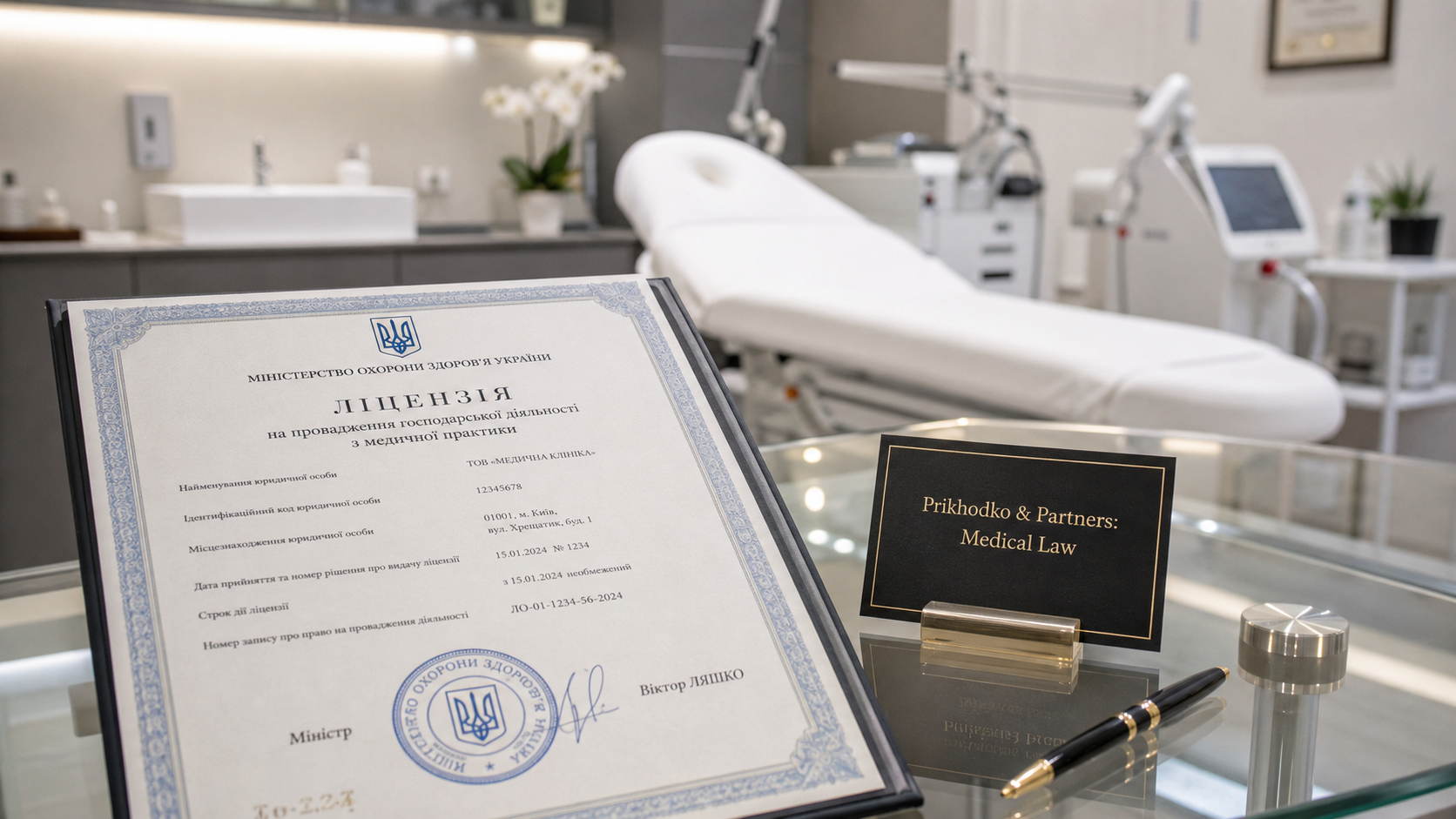
For directors of schools, gymnasiums, lyceums, kindergartens and colleges, as well as university rectors, a medical office has traditionally been regarded as an ordinary part of an educational institution’s operations. However, Ukrainian legislation establishes a strict rule: any medical care, including certificates, examinations, pre-medical assistance for injuries, vaccination and control of the epidemiological regime, constitutes medical practice and is subject to mandatory licensing by the Ministry of Health of Ukraine.
Key risks for the educational institution and its director
A nurse working without a licence is classified by regulatory authorities as carrying out business activities without the required special authorisation (fines for officials under Article 164 of the Code of Ukraine on Administrative Offences, administrative liability of the head of the institution and, in some cases, criminal liability).
The legislation requires either a licensed medical unit or an official agreement with a licensed healthcare institution.
Bureaucratic difficulties with independent submission: more than 70% of attempts by educational institutions to independently submit Information on the Material and Technical Base end in refusals by the Ministry of Health due to non-compliance with equipment lists, qualification requirements for medical personnel or simply incorrect preparation of the document package.
Step-by-step turnkey licensing procedure for a school medical office
Accessibility document for persons with reduced mobility
According to the Ministry of Health Equipment List
Nurse’s diplomas, certificates and qualification categories
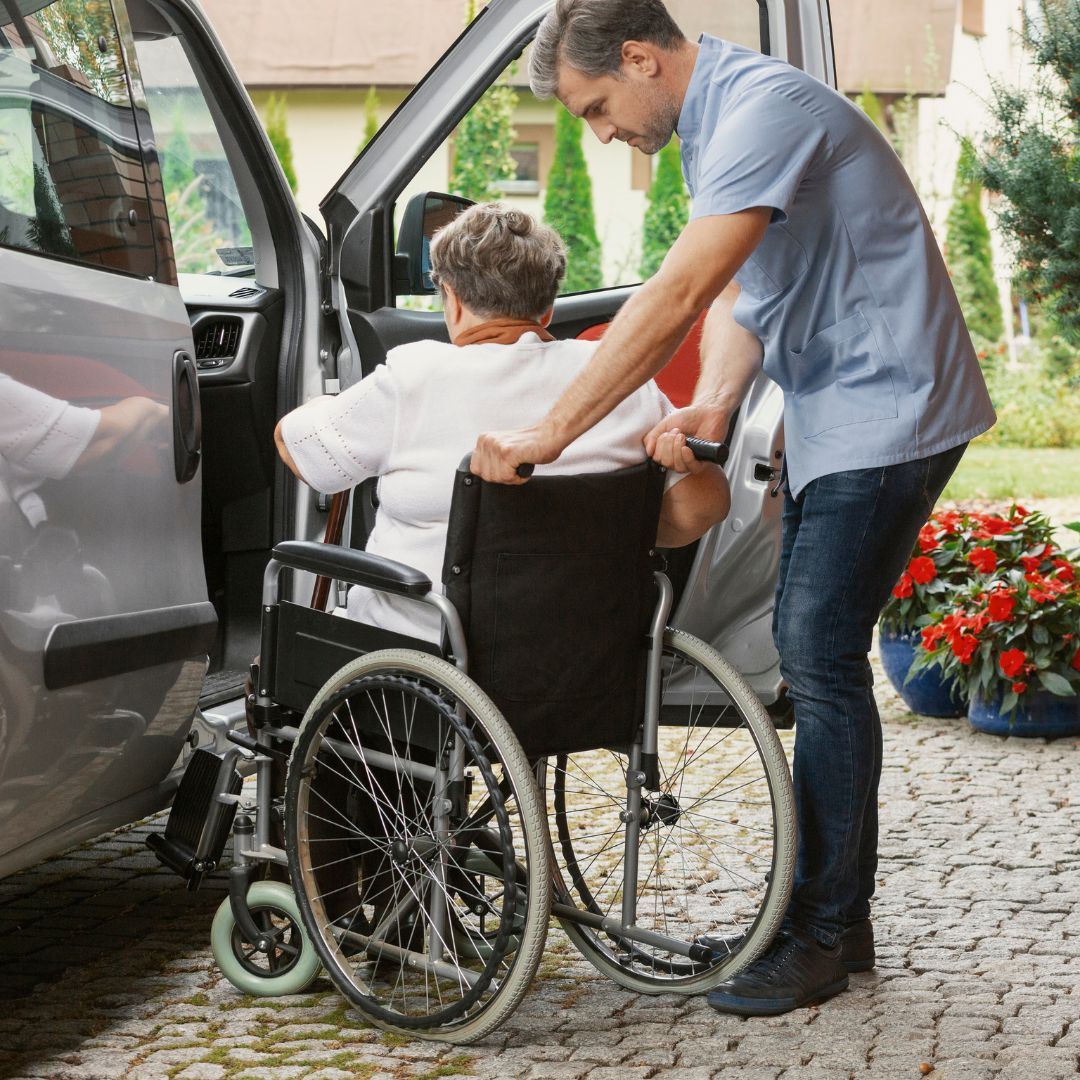
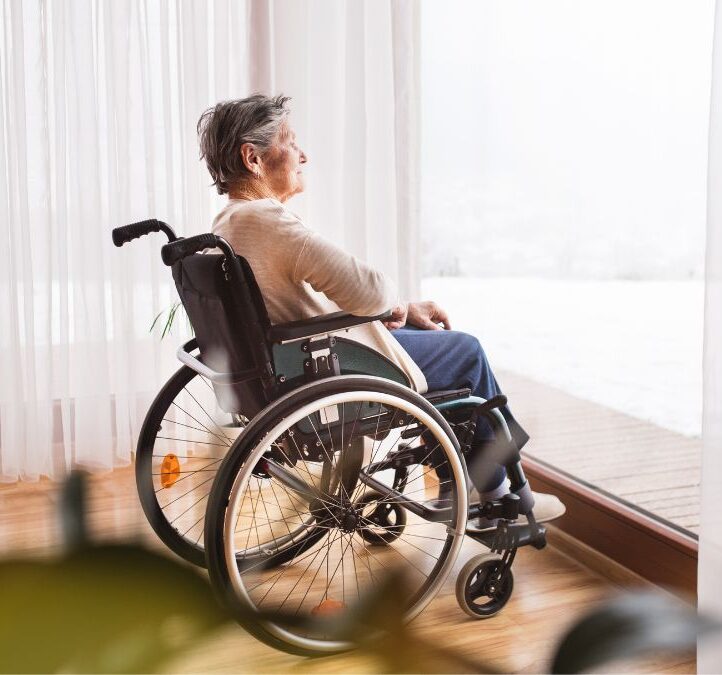
Unlike a commercial clinic or sole proprietor, an educational institution does not establish a new legal entity but opens an internal structural unit — a medical office. Under the Licensing Conditions, the licence applicant must provide documentary evidence of accessibility of the premises for persons with disabilities and persons with reduced mobility and, accordingly, obtain an official Conclusion on the accessibility of the building and medical office premises for persons with disabilities and other persons with reduced mobility.
Medical activities are inseparably connected with the generation of hazardous waste: used disposable spatulas, wipes, masks, shoe covers, gloves, syringes and dressing materials. Accordingly, it is mandatory to enter into a direct agreement with a specialised licensed company for the collection and disposal of medical waste.
A common mistake made by schools is failing to specify in the Information the mandatory minimum equipment and instruments: a bactericidal irradiator, medical scales with a height meter, ophthalmoscope, dynamometer, blood pressure monitors, mercury-free/electronic thermometers, spatulas, an emergency medical kit, a set of limb splints, plaster splints and tourniquets.
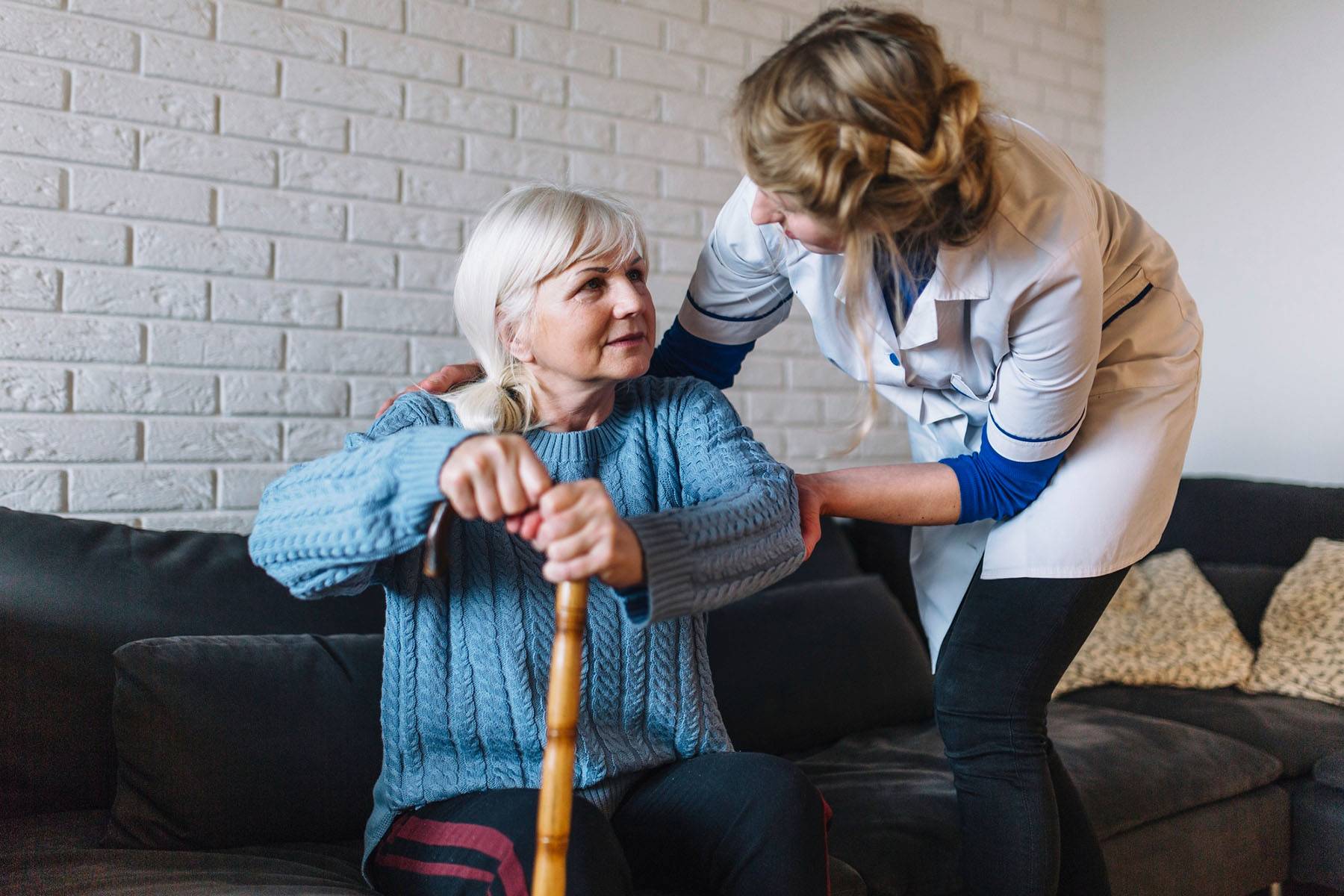
For nurses working in educational institutions, it is important to have educational documents: a basic education diploma in “General Medicine” / “Nursing”, a certificate confirming completion of professional development and retraining courses for junior medical personnel, and a certificate confirming the assignment of a qualification category in the “Nursing” specialty.
Thanks to the high qualifications and prompt work of the medical lawyer at Prikhodko & Partners, the complete licensing file was prepared without any technical errors and submitted on time to the licensing authority — the Ministry of Health of Ukraine.
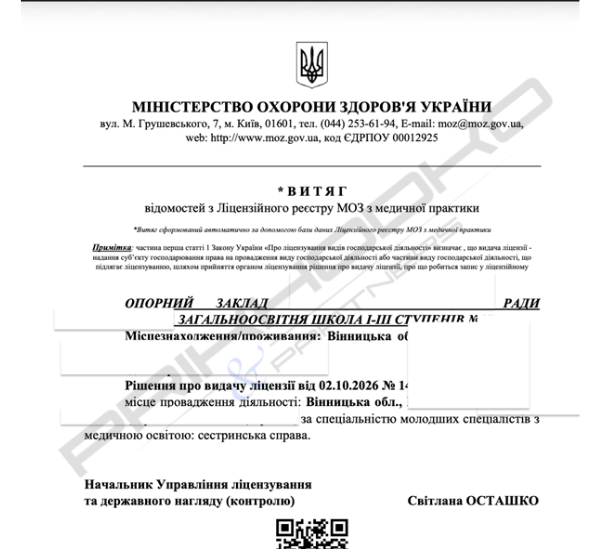
The hub educational institution received an official order of the Ministry of Health of Ukraine granting an indefinite licence to carry out medical practice in the specialty of “Nursing”. The medical office was fully legalised, pupils receive qualified medical assistance, and the administration is protected against claims from regulatory authorities.
FAQ for directors of educational institutions and nurses
1. Can a school or kindergarten operate without a medical licence if a nurse is employed on staff?
No, it cannot. If a nurse is employed by the educational institution, receives a salary and provides medical care to pupils, the educational institution must hold a medical practice licence. The only alternative to obtaining its own licence is to enter into an official medical services agreement with a hospital that already holds a medical practice licence.
2. How much does a medical licence for a school cost?
The state fee for issuing the licence is uniform and amounts to one subsistence minimum for able-bodied persons (UAH 3,328). It is paid using the designated budget details only after publication of the Ministry of Health of Ukraine order granting the licence.
3. Is a doctor required on staff to open a school medical office?
No. The Licensing Conditions allow a medical practice licence to be obtained for specialties of professionals with medical education, including “Nursing” or “General Medicine” for feldshers, without the mandatory employment of a doctor.
Do you need to formalise a medical office in a school, kindergarten, lyceum, college or another educational institution? The lawyers at Prikhodko & Partners will help review the premises, medical staff documents and equipment and prepare the licensing file for the Ministry of Health of Ukraine.
































Юридичні послуги для медичного бізнесу та лікарів
 Telegram
 Viber
 WhatsApp


 Facebook
 Instagram