


Head of Medical Law Practice
Specializes in medical, corporate, and migration law. Has extensive experience working with medical and pharmaceutical businesses, particularly in licensing, circulation of medicines, and comprehensive legal support of healthcare institutions, including corporate, tax, and employment matters, as well as market entry projects of foreign companies into Ukraine.
Case: Supported the turnkey opening of a cosmetology salon in the Mykolaiv region

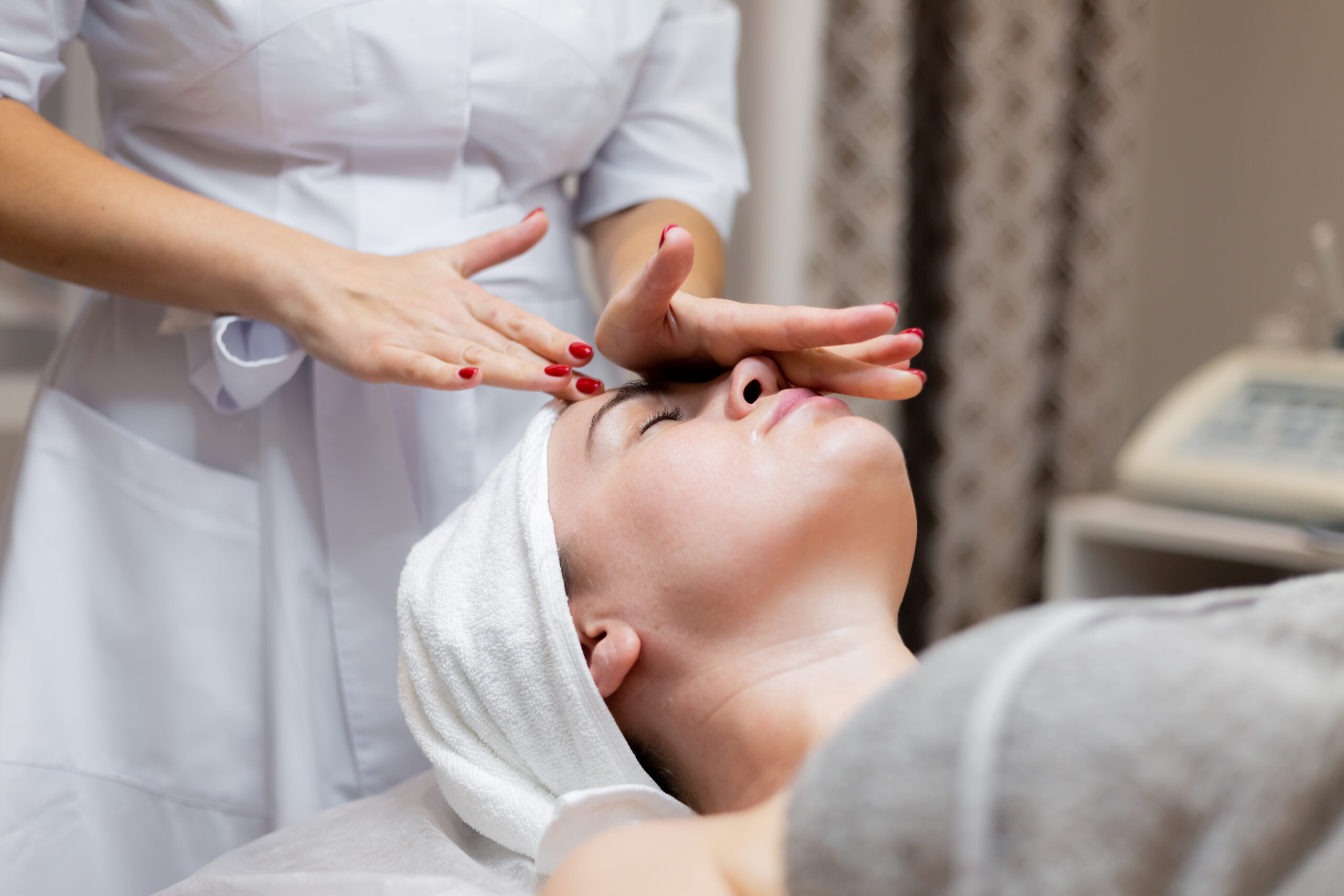
The world of aesthetic medicine is undergoing a tectonic shift. The era of “home-based cosmetologists” and semi-legal treatment rooms is irreversibly coming to an end. Today’s patient is a demanding client who is purchasing not merely a procedure, but safety, status, a guaranteed result and the clinic’s legal responsibility. For a doctor, entering private practice in the format of a licensed medical centre is the only path towards building a strong personal brand where premium pricing is supported by an impeccable legal foundation.
In this case, from the perspective of medical law experts, we will examine in detail how our team implemented a project for a client whose objective was to open a cosmetology salon in the Mykolaiv region. We will reveal the behind-the-scenes legal work, explain why a licence for a cosmetologist is not simply a piece of paper but a complex mechanism, and focus in detail on work with Ministry of Health documents, which remains invisible to the general public.
When aesthetics meets dermatology
A client approached us — a dermatovenerologist with previous experience in medical practice. Her vision was to create a conceptual beauty and health space that would blur the line between traditional cosmetology and serious dermatology.
The range of services planned for launch consisted of high-margin and clinically complex procedures:
1. Basic and device-based aesthetics
- facial cleansing and chemical peels;
- premium device-based procedures: HydraFacial, SMAS lifting, laser resurfacing and hair removal.
Legal nuance: most modern devices, particularly lasers, are classified as Class IIb and III medical devices. Using them without a medical licence may result in fines, confiscation of equipment and, in certain cases, criminal liability.
2. Invasive (injectable) cosmetology
- biorevitalisation, mesotherapy, botulinum toxin therapy and contour correction with fillers.
Legal nuance: Any procedure involving disruption of the integrity of the skin and administration of medicinal products is exclusively a medical procedure.
3. Clinical dermatology (skin diseases)
- protocol-based treatment of severe acne, rosacea, psoriasis, eczema, atopic dermatitis and allergic skin eruptions.
4. Dermato-oncology
- dermoscopy, diagnostics and radiofrequency/laser removal of neoplasms (moles, papillomas and warts).
The declared business model constitutes full-scale medical practice in the specialty of “Dermatovenerology”. Providing such a range of services under the status of an ordinary beauty salon is a “game of roulette” with supervisory authorities. The only correct and lawful route is to obtain a licence to conduct business activities in medical practice.
Stage 1: Remote compliance and premises audit
Many people believe that the licensing process begins with writing an application. This is a critical mistake that leads to refusals from the Ministry of Health. Licensing begins with the premises.
The client found what she considered an ideal property in a newly constructed building in the Mykolaiv region. Our work began with a rigorous audit of the premises for compliance with the State Building Standards (DBN V.2.2-10:2022 “Healthcare Facilities”).
What we reviewed and adapted
Room area: a dermatovenerologist’s consulting room cannot be an 8-square-metre storage room. We calculated the required area to ensure compliance with the equipment standards: no less than 12-14 sq. m per workplace, taking into account the placement of the examination couch, procedure table and equipment.
Lighting and ventilation: ensuring natural lighting (daylight factor) and the availability of supply and exhaust ventilation with the air exchange rate required for healthcare facilities.
Zoning and sterilisation: we helped properly designate an area for pre-sterilisation cleaning and sterilisation of instruments, if these procedures were not carried out directly in the treatment room, which is critically important for injectable cosmetology and the removal of neoplasms.
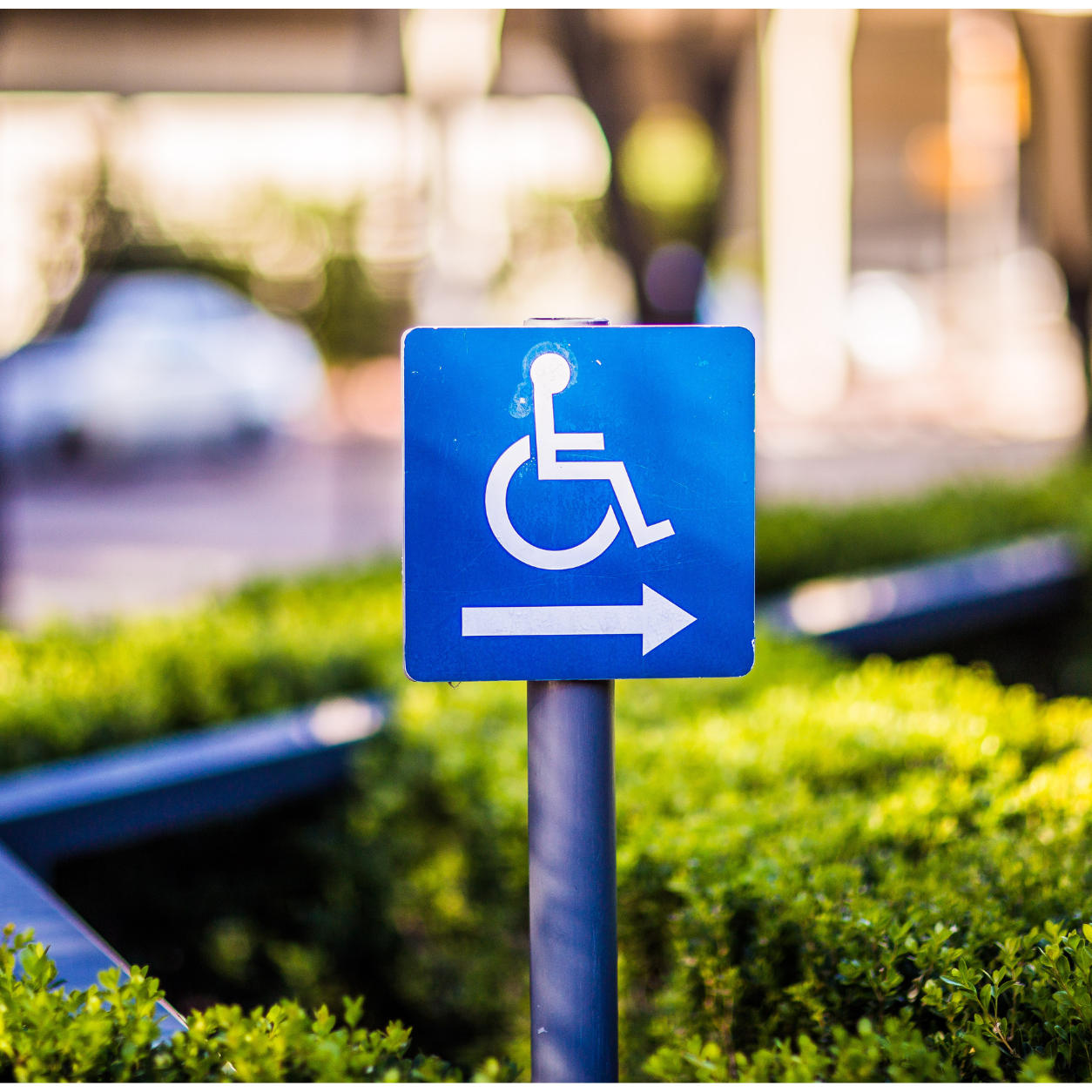
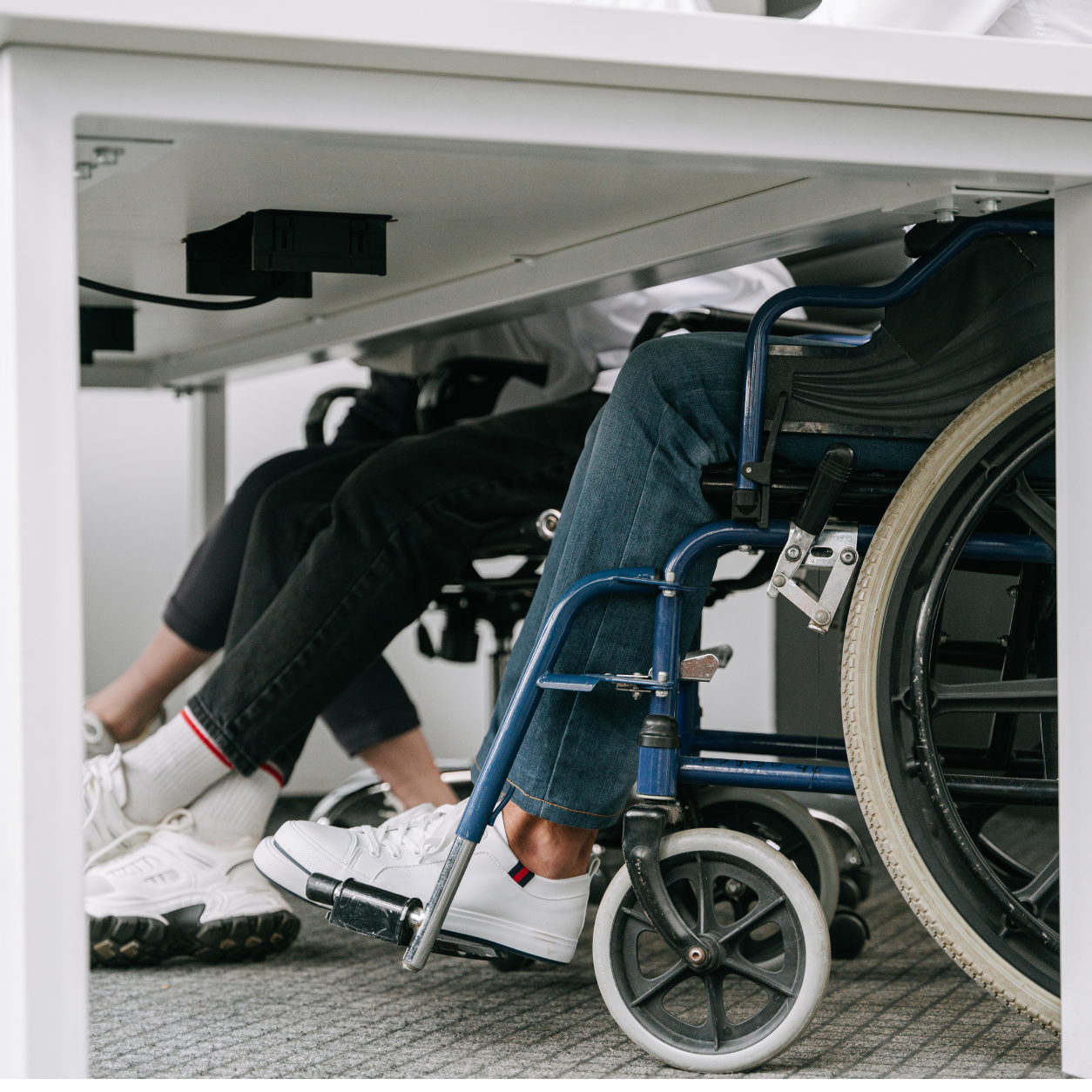
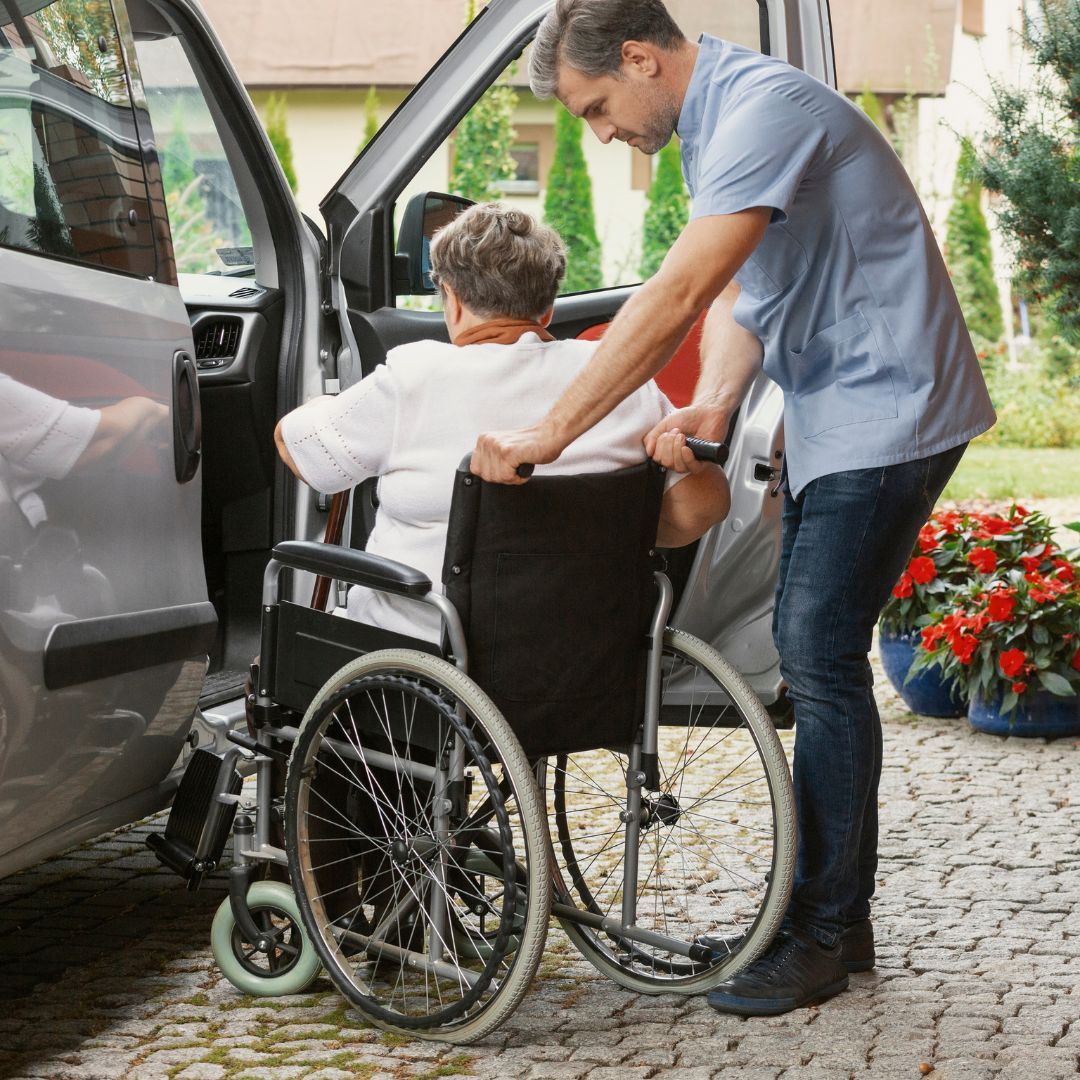
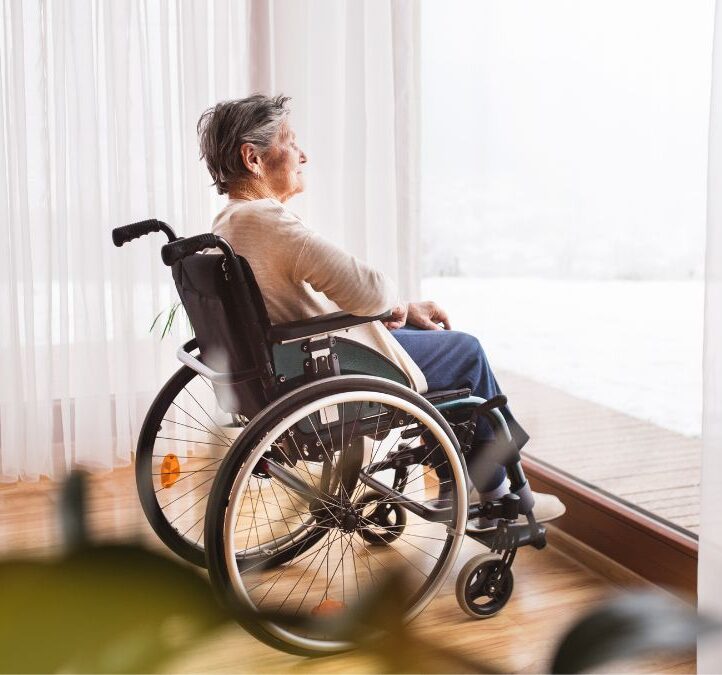
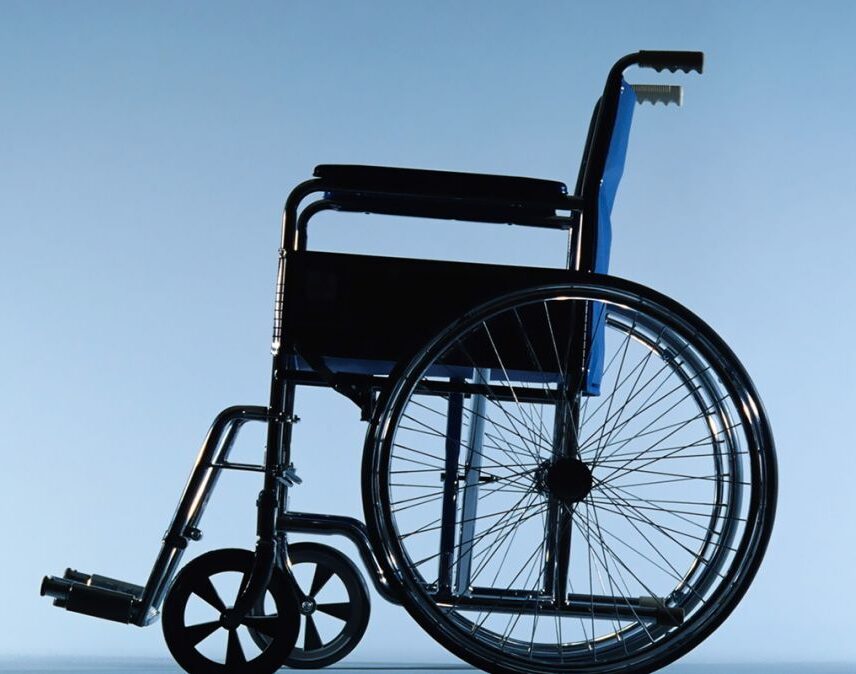
Inclusivity (accessibility for persons with reduced mobility): today, obtaining a licence is impossible without an inspection report and a Conclusion confirming the accessibility of the premises for persons with reduced mobility (ramps, doorway width, handrails, accessible sanitary facilities and the use of Braille). We supervised the process of obtaining this conclusion from a certified building technical inspection expert.
Key stage: only after the premises had been brought into compliance did the client obtain the documents confirming accessibility for persons with reduced mobility. This provided the green light for the next and most complex stage.
Legal work with documents: Application and Information Statement
The Ministry of Health does not see your beautiful renovation and does not know about your exceptional practical skills. The Ministry of Health sees only the documents. Seven out of ten applicants submitting documents independently receive refusals precisely because the forms have been completed incorrectly.
The package is based on two documents: the Application and the Information Statement on the condition of the material and technical base and availability of personnel, specifying their educational and qualification levels.
We approached their preparation with meticulous expert attention.
1. Application for a licence
Although this is a standardised form, the devil is in the details. We clearly defined the type of business activity and indicated the medical specialty in accordance with the current Nomenclature of Medical Specialties — “Dermatovenerology”. We did not use the abstract term “cosmetology” or “aesthetic cosmetologist” because such medical specialties do not legally exist; there is a dermatovenerologist who has completed thematic advanced training courses in cosmetology.
Since the client practised as a sole proprietor doctor, another relevant service is: medical licence for sole proprietor doctors.
2. Completing the Information Statement
The Information Statement is a multi-page document that forms the “heart” of your medical practice. The slightest inaccuracy in a figure, an order date or the name of equipment can result in an automatic refusal.
Details and general information
We completed all of the client’s details correctly, specifying the proper issue dates and registration numbers, the address where medical practice would be conducted and the working hours. We indicated the type of medical care to be provided — in our client’s case, specialised medical care. It is equally important to correctly specify information about the signage and the information displayed on it.
We always verify this information in advance against open state Registers.
Healthcare facility premises
Here, we described every square metre of the salon. Instead of using the general term “cosmetologist’s room”, we structured the premises in accordance with medical terminology:
- dermatovenerologist’s consulting room;
- patient waiting area and sanitary facility;
- sterilisation room containing an autoclave steriliser, ultrasonic cleaner and a device for heat sealing polyethylene bags.
It is important to correctly indicate the details of the Conclusion on accessibility and the building expert’s certificate, as well as specify the legal basis on which the client uses the premises (in our case, this was a lease agreement).
Equipment (Material and technical base)
This is the most dangerous minefield for beginners. It is not possible simply to enter “laser” or “facial cleansing device”. We carried out extensive work with the documents relating to the client’s equipment:
Medical devices: We included each device (a centrifuge for plasma therapy, a laser for vascular removal) in the Information Statement, specifying the exact model name, manufacturer and year of manufacture. Most importantly, we verified the details of the Certificate of Conformity or Declaration of Conformity for medical devices (in accordance with the Technical Regulation approved by Resolution of the Cabinet of Ministers of Ukraine No. 753). The existence of such a document confirms whether the device may lawfully be used for medical purposes in Ukraine.
For this area, the website also offers separate services — medical device certification and medical device registration.
Measuring instruments: a dermatologist’s consulting room must contain thermometers, hygrometers (to monitor humidity in the premises and in the refrigerator used for medicinal products) and blood pressure monitors. All of these are subject to metrological verification.
Consumables and medicinal products: We indicated the availability of an emergency medical kit, which is critical when administering botulinum toxins, fillers and local anaesthetics, as there is always a risk of anaphylactic shock.
Personnel and educational documents
The client applied as the manager and sole doctor (sole proprietor). We carefully reviewed her educational portfolio:
- included the details of her higher medical education diploma;
- included the details of her specialist doctor certificate in “Dermatovenerology”.
Please note: we verified that the client’s length of professional experience met the requirements and that her medical certification had been completed in a timely manner, so that the Ministry of Health would have no doubts regarding her qualifications to treat skin diseases, perform biorevitalisation or remove neoplasms.
The ecosystem of modern legal support
Good service means that the client does not feel the burden of bureaucracy. For a client actively involved in renovation and procurement, travelling to Kyiv would have been an unnecessary waste of resources.
We organised the entire interaction process completely remotely. Modern medical law requires a technology-driven approach. To promptly approve draft documents and sign legal services agreements and certificates of completed work, we used the Vchasno electronic document management system. This allowed the client to sign everything using a qualified electronic signature directly from her smartphone within seconds.
To structure ongoing tasks within the “Clinic Licensing” project, we used our internal case management systems, where every step — from obtaining the accessibility conclusion for the premises to the final submission to the Ministry of Health — had its own deadline and responsible lawyer.
The assembled document package was complete and properly structured. We submitted it for consideration by the licensing commission of the Ministry of Health of Ukraine.
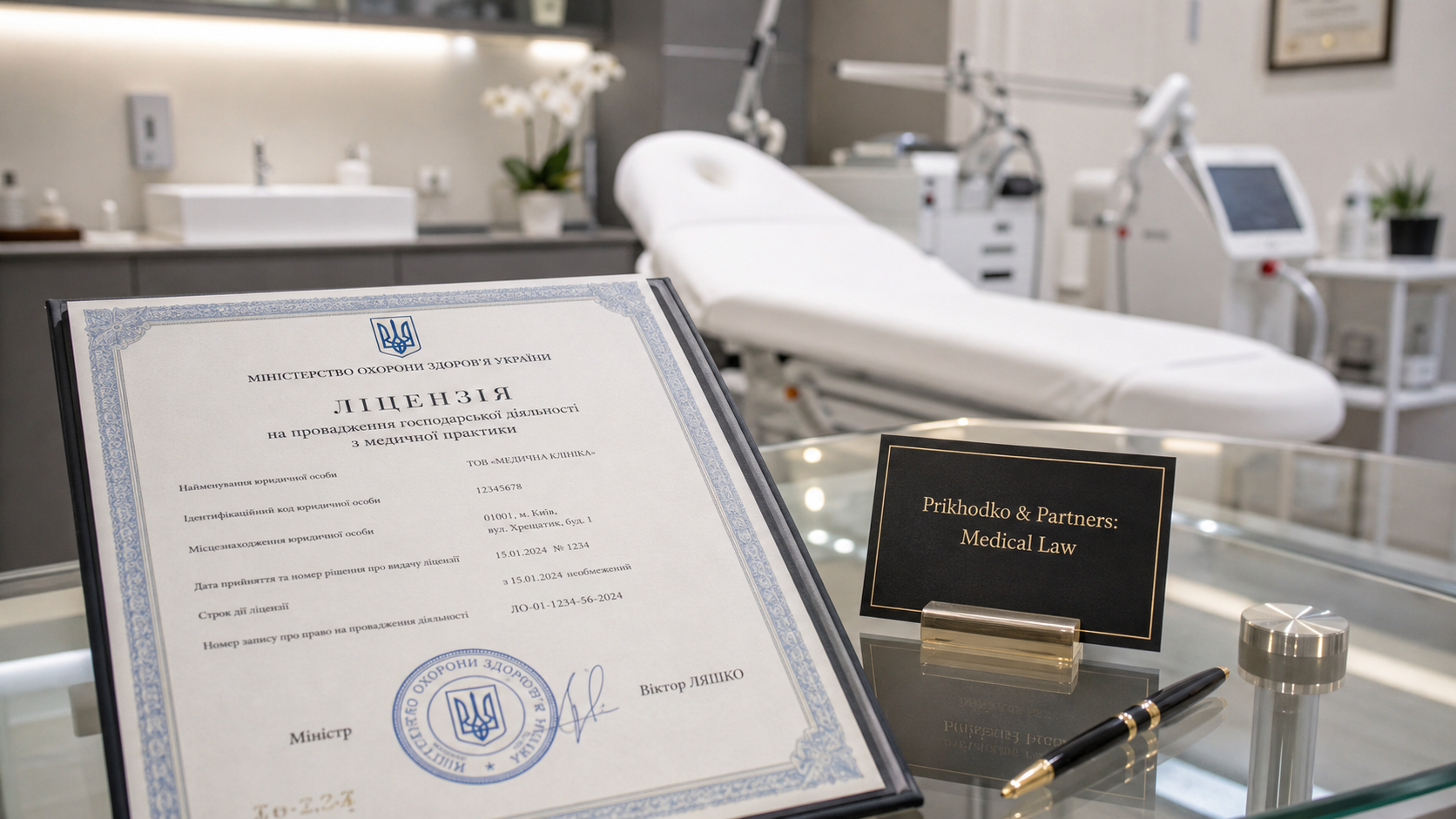
Result: 10 days later, the Ministry of Health published an Order granting the licence to conduct business activities in medical practice. On the first attempt. Without any comments or requests for revision.

What did the client receive besides the document itself?
1. Lawful clinic status
She officially opened not merely a beauty salon, but a healthcare facility. She now has the full legal right to advertise acne and rosacea treatment, papilloma removal and complex injectable procedures on Google and Instagram without fear of being blocked or receiving a visit from supervisory authorities.
2. Capital protection
The purchased premium equipment is now fully protected against seizure because it is being lawfully used in a licensed healthcare facility.
3. Premium pricing and status
The price list automatically moved into the “premium” category. Patients understand that when they pay premium prices for device-based procedures and European-level prices for injections, they are paying not merely for a brand, but for medical safety guaranteed by the state and the doctor’s competence.
4. Cooperation with suppliers
Official distributors of certified products (botulinum toxins, fillers and medical peels) seek to cooperate with facilities that hold a medical licence. The client now has direct access to the world’s leading brands, bypassing the “grey” market.
Your step towards a lawful medical business
A licence for a cosmetologist is an investment in peace of mind, scalability and an impeccable reputation. Attempts to bypass the system or save money on legal support most often result in months of downtime for rented premises, loss of profits and considerable stress after yet another Ministry of Health refusal caused by an “incorrectly placed comma” in the Information Statement.
Every successful medical project begins with the right legal foundation. Delegate the bureaucracy to experts and invest your time in the health and beauty of your patients. We are ready to transform your ambitions into an operating, lawful and profitable medical business, wherever you are located.




















Юридичні послуги для медичного бізнесу та лікарів
 Telegram
 Viber
Viber
 WhatsApp
 Facebook
 Instagram