Lawyer under Article 114-1 of Ukraine’s Criminal Code — Obstruction of the lawful activities of Ukraine’s Armed Forces and other military formations

Protection of procedural rights and assessment of alleged obstruction of the Armed Forces under Article 114-1 of Ukraine’s Criminal Code.

An allegation of blocking, disrupting or otherwise obstructing military formations requires an examination of the actual event. An Article 114-1 lawyer considers which activity is alleged to be lawful, the claimed obstruction and its connection to the client’s conduct. Timely assistance matters after a summons, detention, search or preventive-measure hearing is scheduled.

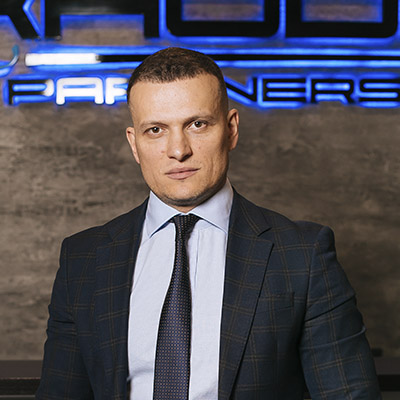
Kovalev Artem
Kovalev Artem
Head of criminal law practice

Legal assessment under Article 114-1 of Ukraine’s Criminal Code

Equally, a person’s own assertion that another actor behaved unlawfully does not determine the legality of their response. Counsel examines authority, documents, the event and applicable rules. Where deaths or other serious consequences are alleged, those consequences and their causal connection to specific conduct require separate examination.

Practical case review: the issues that matter — Lawyer under Article 114-1 of Ukraine’s Criminal Code — Obstruction of the lawful activities of Ukraine’s Armed Forces and other military formations

Issue in this type of case Facts and legal significance
Legal assessment under Article 114-1 of Ukraine’s Criminal Code Article 114-1 concerns obstruction of the lawful activities of Ukraine’s Armed Forces and other military formations during a special period. The assessment covers the person’s conduct, the particular activity, its lawfulness and how it was obstructed. Disagreement, a conflict or a sharply expressed opinion should not mechanically replace proof of all elements.
Evidence and circumstances the lawyer examines Reconstruction may involve complete recordings, location plans, messages, authority documents and eyewitness accounts. The start and end of the episode, sequence of demands and responses, and practical ability to act matter. A short clip may omit what happened earlier, so counsel examines originals and other available sources.
Legal assistance during investigation and in court Counsel attends agreed procedural actions, reviews the allegation and records, helps establish a position before questioning and prepares motions. For urgent involvement, state the location, time, authority and action. A complete case file is not required before discussing immediate protection of procedural rights.

Evidence and circumstances the lawyer examines

If investigators allege interference with an assignment, we review evidence of the assignment, delay, actual effect and each person’s role. Several people being present does not automatically establish identical intent or contribution. Explanations are checked against records, while issues requiring specialised knowledge are considered for proper examination.

  • The allegation and procedural records.
  • Complete recordings of the event.
  • Participants’ authority documents.
  • Records concerning the alleged assignment.
  • The demands-and-responses timeline.
  • Court orders and summons.

Company awards and recognition

Legal assistance during investigation and in court

During investigation and trial, we address the actual prosecution account: the acts alleged, supporting evidence and material that may rebut or change the assessment. Challenges to suspicion, restrictions or other decisions depend on grounds and procedure. A lawyer cannot promise an outcome from the article number alone.

Stages of working with a lawyer

Lawyer consultation concerning obstruction of the Armed Forces’ lawful activities

A consultation concerning obstruction of the Armed Forces’ lawful activities starts with your procedural status, the records received and the next scheduled date. We distinguish issues that can already be assessed from those requiring additional case materials.

For a meaningful review under Article 114-1, provide available records such as the allegation and procedural records and complete recordings of the event in advance where possible. Do not select only favourable extracts: inconsistencies matter when assessing risks. We explain the available procedural steps, documents needed and limits of the proposed assignment. A consultation, a single submission and continuing case representation are different engagements.

An online consultation concerning obstruction of the Armed Forces’ lawful activities can provide an initial review remotely. Communication and file-sharing arrangements are agreed with counsel. Personal attendance at an investigative action or hearing is arranged separately according to the procedure and location. Sending an enquiry does not automatically appoint a lawyer as defence counsel in proceedings.

Working with Prikhodko & Partners

Before work concerning obstruction of the Armed Forces’ lawful activities begins, we identify the responsible lawyer, engagement scope and communication arrangements. The client understands which documents are being prepared, the next action and when separate approval is required. Facts obtained during legal assistance are discussed confidentially, with an agreed method for sharing sensitive materials.

We provide services throughout Ukraine and abroad

Created with Raphaël 2.1.0
Kyiv
Lviv
Odesa
Dnipro
Kharkiv
Zaporizhzhia
Vinnytsia
Zhytomyr
Chernihiv
Poltava
Cherkasy
Kropyvnytskyi
Mykolaiv
Kherson
Lutsk
Rivne
Ternopil
Khmelnytskyi
Ivano-Frankivsk
Uzhhorod
Chernivtsi
Sumy

Why clients choose Prikhodko & Partners

Over 9 years of experience

We combine legal analysis, document preparation and practical case work.

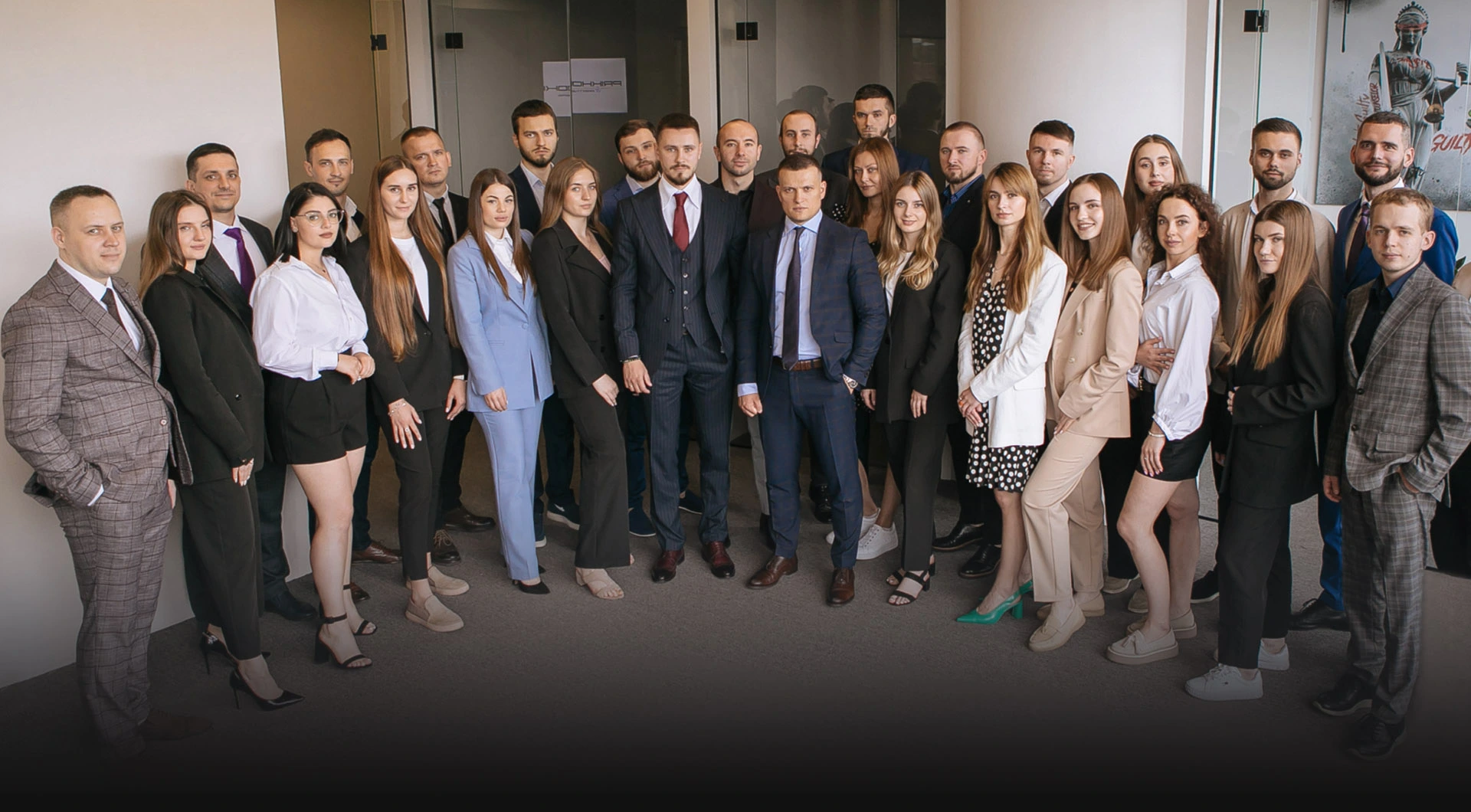
Over 60 lawyers on the team

Where necessary, we involve colleagues from related practice areas according to the assignment.

A clear scope of work

We agree the assignment, attendance, fees and reporting arrangements in advance.

Hundreds of criminal law cases

Read accounts of the team’s work in our criminal case section. The circumstances and outcome of each matter are individual. Explore our criminal law cases

Case law helps assess how courts apply rules to specific circumstances. We check whether decisions are current and comparable, rather than treating another case’s outcome as automatic. An online consultation can begin with the available records. Client reviews are available in the relevant section of this page.

Our clients

Fees for legal assistance in criminal proceedings

Lawyer fees concerning obstruction of the Armed Forces’ lawful activities

Lawyer fees concerning obstruction of the Armed Forces’ lawful activities depend on the stage, urgency, volume of records, number of episodes and procedural work required. One consultation, examination of several case volumes and defence through a particular stage involve different work. The criminal practice’s starting prices appear in the pricing section; they do not establish an identical budget for every case.

Before work under Article 114-1 begins, we define what the professional fee includes: documents, attendance at actions or hearings, review of materials such as records concerning the alleged assignment, and reporting arrangements. Additional expert work, translation, travel and necessary expenses are discussed separately. Changes to the scope also require agreement; payment does not guarantee a procedural outcome.

Estimate the cost of legal assistance

Answer four questions to help define the work needed. Leave your contact details for an individual estimate.

Question 1 of 4

Have you received an Article 114-1 allegation or summons?

Question 2 of 4

Are recordings or other event records available?

Question 3 of 4

Do you need urgent attendance during detention or questioning?

Question 4 of 4

Is a hearing or preventive-measure review scheduled?

Discuss your situation with a lawyer

To discuss legal assistance concerning obstruction of the Armed Forces’ lawful activities, tell us your status, briefly describe the event and state the next procedural date. Mention whether you have the allegation and procedural records. After the initial discussion, we agree the materials for review and the lawyer’s defined assignment.

Request a consultation
Kovalev Artem
Kovalev Artem
Head of criminal law practice
Expert in criminal and international law. He also specializes in crimes in the field of military activity and in the financial sector.

Practical preparation for legal representation

Where a conflict began with a document check or exercise of official powers, provide information about all participants and the sequence. A question about one authority should not automatically be transferred to another military formation. We examine status, the demand and its connection to the alleged obstruction.

Preserve original recordings and information about their creator and circumstances. Avoid editing away the context. Counsel determines lawful use and further motions. Public distribution of case materials does not replace procedural submission and may require a separate assessment of risks.

Related issues and legal services

Contact us

Send a request and we will call you back:
Or call us personally:
By submitting this form, you agree to the privacy and data usage policy on this site.

Frequently asked questions

Is a conflict alone sufficient for Article 114-1?

The conduct and statutory elements must be examined, including the activity, lawfulness and obstruction. A label for the conflict is not evidence.

Does a complete recording matter?

It may show the sequence, conduct and context missing from an extract. Acquisition and procedural submission also need review.

Can the actions of other participants be challenged?

The route depends on the authority, decision and circumstances. Defence in these proceedings is distinguished from other possible applications.

Can the consultation take place online?

Yes. The initial review under Article 114-1 of Ukraine’s Criminal Code can be arranged remotely. The scope, documents and any subsequent personal attendance are agreed separately.

How is the fee calculated?

By the stage and scope of the engagement concerning obstruction of the Armed Forces’ lawful activities, including the records, urgency, documents and attendance needed. Starting prices should be considered together with the actual work agreed.