


Senior lawyer
Lawyer in the practice of bankruptcy of individuals and individual entrepreneurs. Specializes in write-off of bank and MFI loans through the bankruptcy procedure.

How to cancel a court order on a loan: a step-by-step explanation
Table of Contents:
A court order on a loan is one of the most common situations borrowers face. A bank or microfinance organization applies to the court, obtains an order without summoning the parties, and the person learns about the debt only when their accounts are frozen or enforcement proceedings have already been initiated. In such cases, it is important to understand that a court order can be cancelled. If you need assistance with document preparation or protection of your rights, contact the lawyers of the company Prikhodko & Partners.
What is a court order on a loan?

A court order is a simplified court decision issued without a full hearing of the case. The court does not examine all circumstances, does not summon the parties, and does not verify the debtor’s position. It only evaluates the documents submitted by the creditor.
In practice, this means:
- the debtor is not invited to court
- the decision is made quickly, sometimes within a few days
- the court relies only on the creditor’s documents
- the debtor often learns about it only after the decision has been issued
That is why the law provides for the possibility to cancel such an order. This is the only way to “return” the case to a normal court process where you can defend your position.
In what cases can a court order be cancelled?
A court order can be cancelled in most cases. It is important to understand that the court does not require proof of your position at this stage. The mere fact of objection is sufficient.
The most common grounds are:
- disagreement with the amount of the debt
- accrued penalties or interest you do not agree with
- partial or full repayment of the loan
- calculation errors
- dispute over the very existence of the debt
Even if you are not sure about the correctness of the calculations but do not agree with the amount, this is already sufficient to file an application.
Deadlines for filing an application
This is one of the most important points. The debtor has 15 days from the moment of receiving the court order to file an application for its cancellation.
| Situation | What happens | Consequence |
| Application filed on time | The court cancels the order | The case moves to claim proceedings |
| Deadline missed | The order enters into force | Enforcement begins |
| Order not received | You can request restoration of the deadline | It is necessary to prove non-receipt |
Important: the deadline starts from the moment of receipt, not issuance of the order. If you did not receive the letter or learned about the order later, this may be grounds for restoring the deadline.
How does cancellation work?
The procedure is formally simple but has its nuances.
What needs to be done:
- Prepare an application to cancel the court order
- Submit it to the court that issued the order
- State that you disagree with the creditor’s claims
- Meet the 15-day deadline
In this case, the court does not deeply analyze the situation. It is sufficient that the debtor objects to the claims.
If the application is submitted correctly and on time, the court cancels the order.
What happens after cancellation?
After cancellation of the court order:
- it loses its legal force
- enforcement proceedings must be closed
- account freezes may be lifted
- restrictions are removed
However, it is important to understand: cancellation of the order does not mean the debt is annulled.
The creditor has the right to apply to the court again, but with a claim. In such a case, the dispute will be considered in the ordinary procedure:
- with summoning of the parties
- with the possibility to submit objections
- with full examination of evidence
Typical mistakes of debtors
In practice, the situation is often complicated not by the order itself, but by the actions of the debtor.
The most common mistakes:
- ignoring postal notifications
- missing the appeal deadline
- submitting an application without complying with the required form
- attempting to “negotiate” instead of taking legal action
- lack of control over enforcement proceedings
As a result, the order enters into force and enforcement begins: account freezes, funds withdrawal, restrictions.
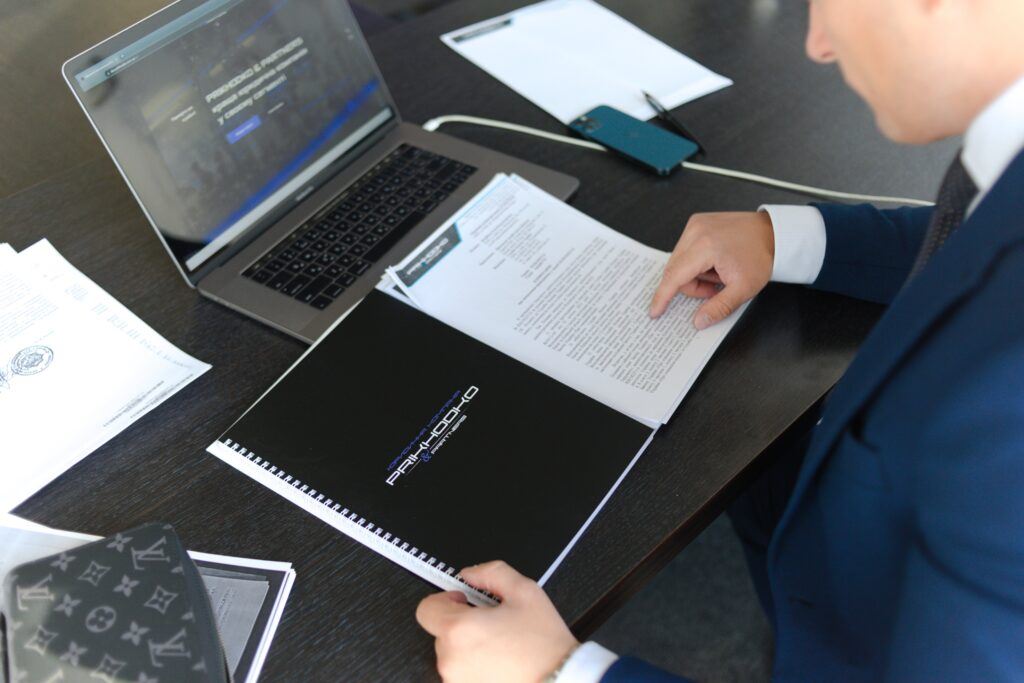
Legal assistance
Although the procedure seems simple, mistakes can lead to loss of time and money. This is especially critical when accounts have already been frozen or enforcement proceedings have been initiated.
A lawyer in such cases:
- checks the legality of the court order
- analyzes the debt calculation
- properly prepares the application
- monitors deadlines
- interacts with the court and enforcement officer
- prepares a position in case a claim is filed
In many cases, speed and correctness of actions determine the outcome.
Our lawyers will help properly prepare an application to cancel a court order, verify the legality of the creditor’s claims, and support the case at all stages. If necessary, we will provide representation in court and prepare a position for further dispute resolution. This helps avoid missing deadlines, prevent mistakes, and effectively protect your rights in credit-related cases.
Calculate the cost of services
Answer a few questions
Can an order be canceled without giving reasons?
Yes, it is enough to state that you do not agree with the creditor’s demands.
What will happen after cancellation?
The creditor can file a lawsuit, and the case will be considered in court in a general manner.
Is the arrest lifted automatically?
In most cases, yes, but sometimes you need to contact the contractor.
Can the order be canceled later than 15 days?
Yes, but only if there are grounds for extending the term and this must be proven in court.







 Telegram
 Viber
 WhatsApp


 Facebook
 Instagram